Upgrade Your Sound with 5.8GHz Wireless System
Introduction to Wireless Guitar Systems
Wireless guitar systems represent a significant advancement in the field of music technology, allowing musicians to perform without the restrictions of cables. These systems use radio frequency to transmit audio signals from the guitar to an amplifier or a receiver, providing an unrestricted range of motion on stage or in a studio setting. The shift from wired to wireless systems has transformed how artists engage with their performances, enhancing their overall experience and creativity.
The importance of wireless systems, particularly for live performances, cannot be overstated. The absence of cables not only reduces the risk of tripping hazards but also enables musicians to move freely, connecting with their audience on a more personal level. This enhanced mobility is crucial for performances that are dynamic and physically engaging. Moreover, many musicians appreciate the convenience of quickly setting up their gear without the hassle of managing wires, allowing them to focus more on their art rather than technical difficulties.
Among the various options available in the market, the 5.8GHz guitar wireless system stands out for its exceptional performance. This system operates in a frequency range that minimizes interference, providing clearer and more reliable sound transmission. Additionally, 5.8GHz systems generally offer a greater bandwidth, which translates to higher audio quality and lower latency. These features make it an attractive choice for both amateur and professional guitarists looking for a dependable solution to enhance their sound.
As more artists explore the benefits of wireless technology, understanding the attributes and functionalities of systems such as the 5.8GHz guitar wireless system becomes crucial. The evolution towards wireless convenience continues to shape the contemporary music landscape, marking a significant step forward for musicians who seek freedom and flexibility in their performances.
Why Choose the 5.8GHz System?
The 5.8GHz wireless guitar system has emerged as a prominent choice among musicians, primarily due to its advanced technology that significantly enhances live performances. One of the standout features of this system is its anti-interference capability. Unlike many traditional wireless systems that operate on crowded frequencies, the 5.8GHz systems utilize a higher frequency range, which minimizes the risks of signal interference from other devices. This is particularly advantageous in environments such as concerts or festivals, where multiple wireless devices may be in use simultaneously.
Moreover, the 5.8GHz wireless guitar system provides a stable and reliable connection, ensuring that musicians can move freely on stage without worrying about audio dropouts or signal loss. The increased bandwidth available in the 5.8GHz range allows for faster data transmission, which is crucial for maintaining audio quality. This ensures that the nuances of a guitar’s sound are captured accurately, delivering clear and precise audio to both the performer and the audience.
In comparison to lower frequency systems, the 5.8GHz models often come with additional features that enhance user experience. For instance, they typically allow for a variety of channels, which can be selected to avoid congested frequencies, thereby improving performance reliability. Furthermore, many 5.8GHz systems offer a greater range, enabling guitarists to perform further from their amplifiers without sacrificing audio clarity.
Investing in a 5.8GHz wireless guitar system is a forward-thinking choice for those serious about their sound quality. It combines cutting-edge technology with practical benefits, ultimately leading to a more seamless live performance. This system not only provides musicians with the freedom to move but also enhances their ability to connect with the audience effectively.
Key Features of the 4 Channels System
The 5.8GHz guitar wireless system stands out in the competitive landscape of audio technology, particularly due to its unique four-channel functionality. This feature provides musicians with the versatility and flexibility required during live performances. By enabling access to multiple channels, performers can easily switch between various instruments, such as electric guitars, bass guitars, or even different types of microphones, without the need for tedious reconfiguration.
Each channel on the 5.8GHz guitar wireless system operates independently, minimizing the likelihood of interference while maximizing the clarity of sound. This independence allows musicians to choose the channel that suits their specific performance needs. For instance, if a performer utilizes both an electric guitar and a bass during a single set, they can seamlessly transition between the two, maintaining a fluid sound experience for the audience. This is particularly beneficial in scenarios such as jam sessions or live gigs where quick adjustments are essential.
Moreover, the design of the 5.8GHz guitar wireless system promotes user-friendliness, with straightforward access to each channel. Musicians can quickly identify which channel is active, allowing for rapid changes mid-performance without compromising sound quality. This ease-of-use feature significantly reduces setup time, enabling artists to focus more on their creativity rather than dealing with technical complications.
In addition to enhancing performance adaptability, the four-channel system also lays the groundwork for future expansions in a performer’s setup. As musicians experiment with different instruments and effects, the ability to access multiple channels facilitates their individual exploration. This comprehensive adaptability ensures that the 5.8GHz guitar wireless system remains a valuable tool in an evolving musical landscape.
Easy Setup and Usability
The 5.8GHz guitar wireless system is designed with a focus on user experience, which is paramount for musicians of all skill levels. The inherent plug-and-play convenience of this system allows users to get started with minimal effort, streamlining the setup process. Here, we will outline a simple, step-by-step guide to connecting the wireless transmitter and receiver, facilitating an easy transition to wireless freedom.
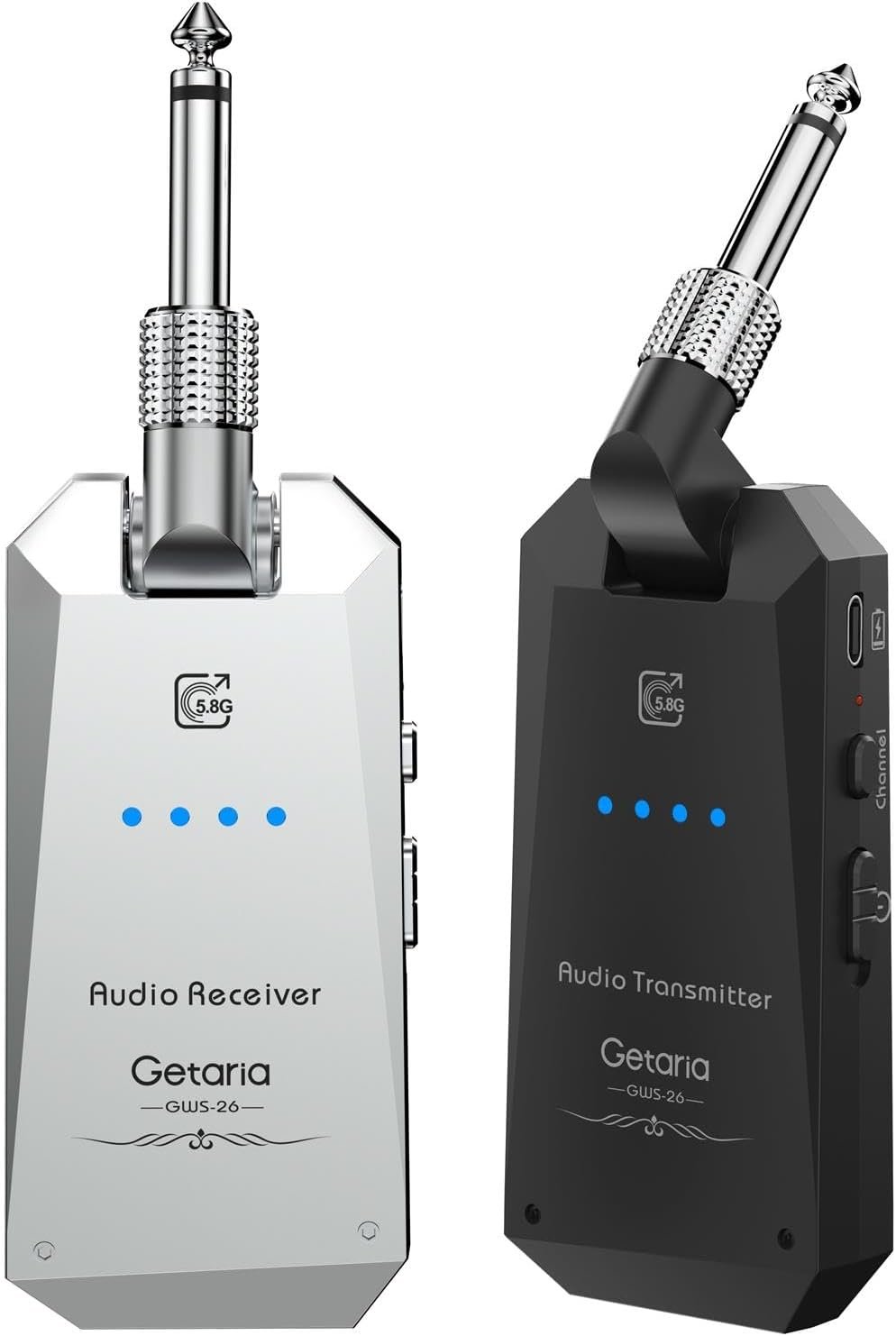
To initiate the setup, first ensure that both the transmitter and receiver are fully charged or connected to a power source. Start by plugging the guitar cable from your instrument into the transmitter. Next, take the 1/4” output jack of the receiver and connect it to your amplifier or Pedalboard. This straightforward connection ensures that you can start playing music without complex configurations.
After establishing the connections, turn on both the transmitter and receiver. The devices will automatically search for a compatible frequency within the 5.8GHz bandwidth. This automatic frequency selection minimizes the potential for interference, allowing musicians to perform seamlessly. Once the devices have linked, you will typically see an LED indicator confirming a successful connection.
It is also worth noting that the 5.8GHz wireless system can support multiple channels, enabling musicians to switch frequencies easily should an interruption occur. For those who might desire a more permanent installation, adjustable brackets and mounts are available for enhanced stability during performances.
This straightforward method of connecting the 5.8GHz wireless system ensures that musicians can focus on their performance rather than technical difficulties. The emphasis on usability allows players from all backgrounds to integrate wireless capabilities into their setups, making the once-complex task of connection an effortless endeavor.
Sound Quality: What to Expect
The sound quality delivered by a 5.8GHz guitar wireless system is significant, especially for musicians seeking to enhance their performance experience. Digital audio transmission plays a crucial role in this, as it allows for the accurate and efficient transfer of sound signals. Unlike traditional analog systems, which can be susceptible to interference and degradation, a digital system ensures that the audio remains crystal clear.
One of the defining characteristics of the 5.8GHz wireless system is its ability to maintain high fidelity audio quality. Musicians can expect a broader frequency response, which translates to a richer, more detailed sound. The clarity of the audio produced is particularly noteworthy, as it enhances the overall listening experience for both the performer and the audience. The system’s digital nature minimizes signal loss and distortion, thereby preserving the original tone and nuances of the instrument.
Another advantage of utilizing a 5.8GHz wireless system is the reduced latency. Latency refers to the delay between the moment a note is played and when it is heard through the speaker. Traditional wireless systems can introduce noticeable latency, which can disrupt timing and synchronization during performances. However, the 5.8GHz systems are designed to provide virtually real-time audio transmission, allowing musicians to perform with confidence, even in the heat of live settings.
This low-latency feature, coupled with the exceptional sound quality, makes the 5.8GHz wireless system ideal not only for casual jam sessions but also for professional gigs where every note matters. Whether you are a seasoned performer or an amateur enthusiast, these systems elevate the auditory experience, ensuring that your music is heard exactly as intended.
Affordable Innovation for Musicians
In recent years, the landscape of musical equipment has witnessed a significant shift towards wireless solutions. Among these, the 5.8GHz guitar wireless system has emerged as a promising option, appealing to both amateur and professional musicians alike. When evaluating options in the market, pricing often plays a vital role in the decision-making process. The 5.8GHz wireless system stands out for its competitive prices, positioning it as an innovative choice without the hefty financial burden that might accompany other high-end systems.
Many musicians might be familiar with traditional wired setups, which, while reliable, can induce limitations in mobility and performance. In contrast, many 2.4GHz systems are prone to interference, particularly in environments filled with wireless signals. The 5.8GHz guitar wireless system addresses these concerns through its advanced frequency band, which typically offers less congestion and better audio clarity. Despite this technological advantage, the price of these systems often remains within reach, typically lower than that of their 2.4GHz counterparts, making them an attractive alternative.
Furthermore, the 5.8GHz wireless system provides reliable transmission with minimal latency. Musicians no longer need to compromise on quality while searching for budget-friendly wireless options. In comparison to other acoustic systems, the affordability and performance of the 5.8GHz system make it a valuable investment. Given its consistent quality and lower price point, the system allows individuals at various skill levels to elevate their sound experience without requiring significant financial investment. Ultimately, the 5.8GHz wireless solution exemplifies how musicians can access cutting-edge technology without sacrificing quality or affordability.
User Testimonials and Experiences
Feedback from users plays a crucial role in understanding the value and performance of the 5.8GHz guitar wireless system. Many musicians have shared their experiences to highlight the system’s capabilities and reliability during live performances and practice sessions. For instance, a guitarist from a local band expressed, “Switching to the 5.8GHz wireless system revolutionized the way I play on stage. I can move freely without worrying about tangled cables, and the sound quality is simply outstanding.” This sentiment is echoed by numerous users who appreciate the clarity and richness of sound provided by the wireless setup.
Another user remarked on the system’s ease of setup, stating, “I was impressed by how quickly I could integrate the 5.8GHz wireless system into my rig. The installation was straightforward, and I was ready to rock within minutes.” Such experiences emphasize the user-friendly nature of the system, making it an ideal choice for both seasoned professionals and novice players. Furthermore, the durability of the product has also been a notable point of satisfaction. A bassist highlighted, “I’ve taken my wireless system on outdoor gigs, and it has held up against the elements without any drop in performance. The 5.8GHz frequency provides a stable connection even in challenging environments.” This reliability is crucial for musicians who depend on their equipment to deliver consistent sound quality.
Moreover, reviews indicate that the 5.8GHz guitar wireless system has significantly enhanced users’ creativity during performances. A solo artist mentioned, “I love being able to move around and engage with the audience without being restricted by cables. It has transformed my stage presence.” Such testimonials collectively illustrate the substantial impact that the 5.8GHz wireless system has had on performers, confirming that it is a worthy investment for anyone looking to elevate their musical experience.
Tips for Maintaining Your Wireless System
Maintaining your 5.8GHz guitar wireless system is essential to ensure optimal performance and longevity. Proper care can help you avoid common issues and maximize your system’s efficiency.
One crucial aspect of maintenance is battery management. Batteries are the lifeblood of any wireless system, and ensuring they are in good condition is paramount. Regularly check the battery levels before performances and invest in high-quality rechargeable batteries. When not in use, store batteries separately from the device to minimize the risk of leakage or corrosion. Additionally, fully charge batteries before storage and avoid letting them completely drain, as this can reduce their overall lifespan.
Another important consideration is the storage of your 5.8GHz wireless system. Use a padded gig bag or hard case to protect the equipment from physical damage when not in use. It is advisable to keep the wireless system in a cool, dry place to prevent moisture damage, which can negatively affect both the transmitter and receiver. Ensuring that the antennae are properly stowed or protected during transport can also prevent breakage.
Troubleshooting common issues is a vital skill for maintaining your system. Regularly inspect the cables and connectors for wear and tear. If you encounter audio dropouts, ensure that you are within the effective range and that there are no obstructions interfering with the signal. Additionally, conducting periodic checks of the frequency settings can help avoid interference from other wireless devices.
Incorporating these proactive maintenance tips will help ensure that your 5.8GHz guitar wireless system remains in great working condition, allowing you to focus on your performance without technical distractions.
Conclusion: Your Next Step in Music
As we reach the end of our exploration into the benefits of the 5.8GHz guitar wireless system, it’s clear that this technology represents a significant advancement for musicians seeking greater freedom and flexibility in their performances. The ability to move unhindered across the stage while maintaining a strong, interference-free connection is invaluable for both live gigs and studio settings. With its remarkable signal stability and extended range, musicians can engage more fully with their audience, creating a more dynamic and enjoyable experience for both performer and listener.
Investing in a 5.8GHz wireless guitar system provides not only convenience but also a professional edge in sound quality. The system’s ability to transmit rich, clear audio without the hassle of cables opens up countless possibilities for creative expression. Moreover, the easy setup and intuitive controls make it accessible for musicians at any skill level. Whether you are an amateur looking to make your first purchase or a seasoned professional upgrading your equipment, this wireless system caters to varying needs and styles.
Furthermore, the robust design of many of these systems ensures reliability during extended playtime, allowing musicians to focus on their performance rather than the technical aspects of their equipment. The superior frequency range offered by the 5.8GHz guitar wireless system minimizes the risk of interference from other wireless devices, making it an excellent choice for modern musicians. Considering all these advantages, transitioning to a wireless setup is not just a convenience; it is a necessary evolution in enhancing your sound and overall musical experience.
In conclusion, the 5.8GHz wireless guitar system stands out as a worthy investment that can significantly elevate your musical journey. By embracing this innovative technology, you can empower your performances and enjoy greater artistic freedom.