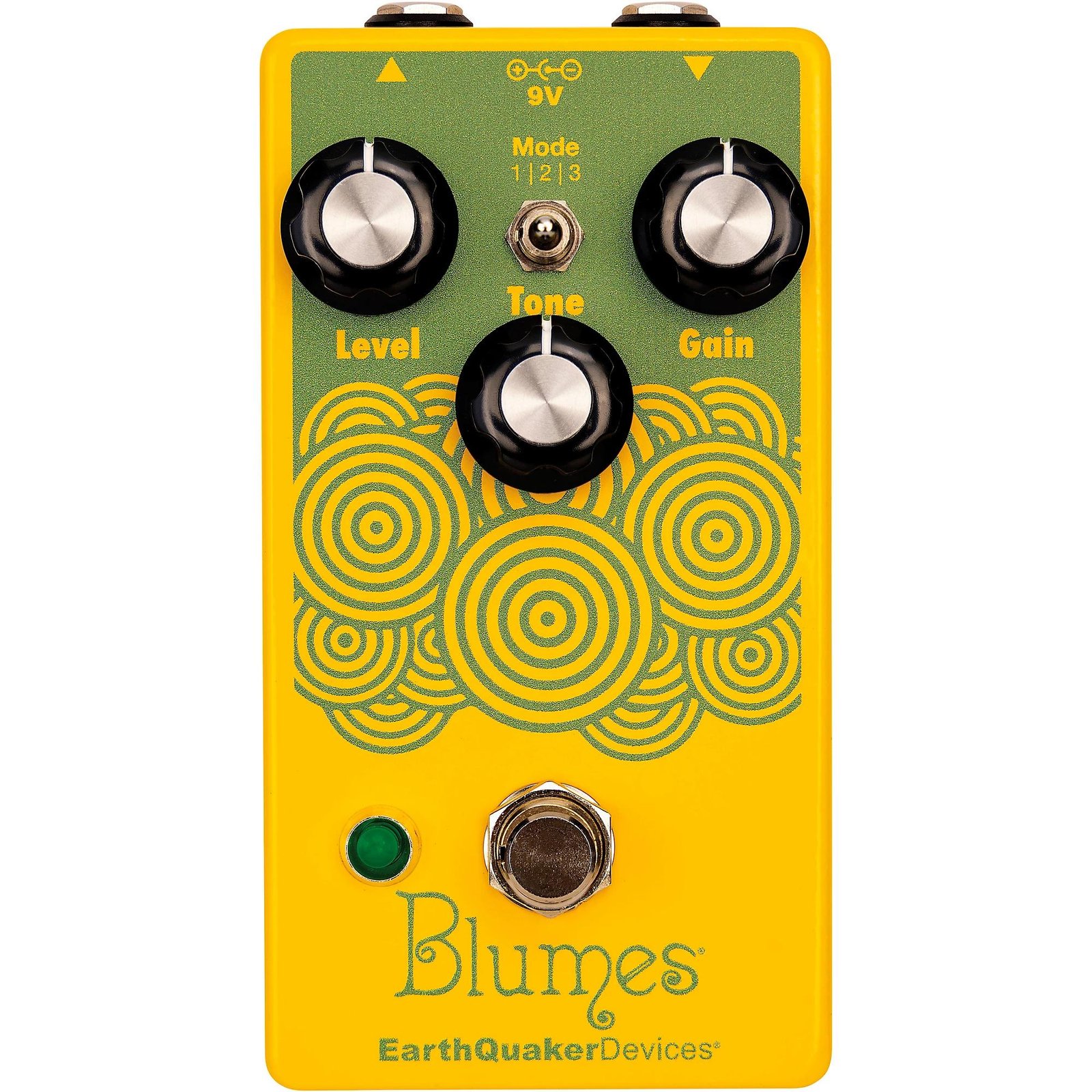
EarthQuaker Devices Blumes
As an Amazon Associate I earn from qualifying purchases.
Bass guitar should be felt as much as heard. Whether you’re holding down a thick rock groove or pushing through an aggressive bass line, the right amount of overdrive can give your playing a completely different character.
The EarthQuaker Devices Blumes is designed to bring that extra grit, punch and personality without sacrificing the low frequencies that make a bass sound powerful.
Built around an all-analog circuit with three selectable clipping modes, this compact pedal gives bass players a range of driven sounds without complicated menus or programming.
And in its striking Orange Sparkle finish, it certainly isn’t a pedal that disappears into the background.
Give Your Bass More Character
Traditional guitar overdrive pedals don’t always work particularly well with bass. Some reduce low frequencies, leaving the instrument sounding thinner once distortion is introduced.
EarthQuaker Devices developed the Blumes specifically with bass players in mind.
Based on the company’s popular Plumes circuit, it offers increased gain and a deeper bass response to preserve more of the instrument’s natural weight.
That makes it interesting for players who want to add warmth to a clean bass sound, bring more aggression to rock riffs or create a gritty tone that stands out alongside distorted guitars.
For those who enjoy exploring different approaches to drive, our JHS Morning Glory V4 Overdrive Pedal article covers a guitar-focused alternative with a different tonal character.
The Blumes, however, is built around the needs of the low end.
Three Sounds from One Compact Pedal
One of the Blumes’ strongest attractions is its three-way clipping switch.
Each position changes the character of the overdrive, allowing players to explore different sounds without changing pedals.
Mode 1 — LED Clipping
This provides the pedal’s crunchiest, more open overdrive character. It’s particularly appealing for aggressive riffs and bass lines that need additional presence.
Mode 2 — Clean Op-Amp Boost
With the clipping diodes removed, this setting provides a fuller frequency response and plenty of output. At lower gain settings, it can act as a clean boost.
Mode 3 — Silicon Diode Clipping
This introduces a warmer, more compressed character with a fuzzier edge. It can add texture to bass parts while retaining some of the original signal.
These three modes make the Blumes useful for more than one musical style.
A restrained setting could add subtle grit to blues or indie bass, while a stronger setting can give rock and alternative music a more assertive foundation.
Simple Controls That Encourage Experimenting
Despite the different sounds available, the Blumes keeps its controls refreshingly straightforward.
Three knobs handle the essentials:
- Gain determines how much overdrive is introduced.
- Tone adjusts the balance between bass, middle and higher frequencies.
- Level controls the overall output.
There are no digital displays, presets or hidden menus.
That makes it easy to experiment with the relationship between gain and tone, whether you’re using a clean bass amplifier or adding another layer of drive to an existing setup.
The Blumes can also complement other effects.
For example, players building a compact pedalboard might appreciate the clear display and tuning flexibility of the Walrus Audio Canvas Tuner.
The combination offers straightforward tuning alongside more adventurous sound shaping.
Made for the Pedalboard
The Blumes uses a compact metal enclosure that occupies relatively little space on a conventional pedalboard.
Its orange finish and clearly arranged controls make it easy to recognise among neighbouring effects.
EarthQuaker Devices also includes its Flexi-Switch technology.
A quick press of the footswitch engages or bypasses the effect normally. Holding the switch activates the overdrive temporarily until it’s released.
That momentary operation can be particularly useful for adding a burst of distortion to a short phrase without leaving the effect permanently engaged.
The pedal also uses relay-based true bypass switching.
For bassists who prefer individual effects rather than one large multi-effects processor, the Blumes offers a focused way to add character without rebuilding the entire rig.
Drawbacks: What You Should Know
The Blumes is deliberately focused on analog overdrive, and that simplicity comes with limitations.
No Built-In Battery
The pedal requires a suitable external 9V DC, centre-negative power supply.
It does not support ordinary battery operation, and the power adapter is sold separately.
Anyone adding it to an existing pedalboard should check that their supply has the correct voltage, polarity and sufficient current.
EarthQuaker Devices specifies a current draw of 25mA.
No Presets or Digital Controls
The straightforward control layout is appealing, but it means settings must be adjusted manually.
You cannot save several different sounds and recall them instantly.
If you regularly switch between completely different overdrive settings during a performance, a programmable effects processor may be more convenient.
One Effect, Rather Than a Complete Processor
The Blumes concentrates on overdrive and boosting.
There are no built-in delays, reverbs, modulation effects or amplifier simulations.
It also has no integrated recording interface.
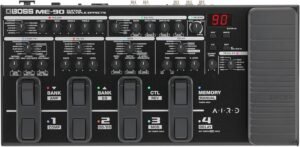
Players wanting a broad range of effects in one unit could find a processor such as the BOSS ME-90 Multi-Effects Pedalmore suitable, although that involves a very different approach to building a guitar setup.
Your Amplifier Still Matters
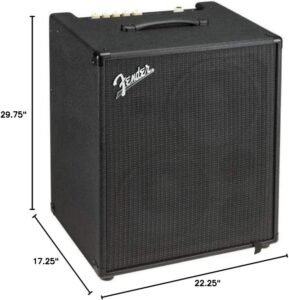
The Blumes can shape and drive a bass signal, but the final sound depends on the instrument, pickups, amplifier and speaker cabinet.
A clean amplifier with plenty of headroom may respond differently from an amplifier already producing distortion.
Turning up the pedal’s output doesn’t always mean a simple increase in volume. It can also change how strongly the following equipment is driven.
Some experimentation may therefore be necessary to find the most satisfying settings.
Heavy Distortion Isn’t for Everyone
Although the Blumes can produce aggressive drive, not every bass player wants additional distortion.
For jazz, traditional soul or situations requiring a particularly clean bass sound, the pedal’s more restrained boost settings may prove more useful than its heavier modes.
And while the circuit is designed to retain substantial low-frequency presence, its character will not suit every instrument or playing style.
Bassists who want highly adjustable clean blending or detailed frequency control may prefer a more specialised bass preamp or drive pedal.
Who the Blumes Suits Best
The EarthQuaker Devices Blumes is particularly appealing to bass players who enjoy rock, blues, alternative music and heavier styles where a little extra grit can make a bass line more expressive.
It suits musicians who prefer hands-on controls and want to shape their sound without navigating digital menus.
The three clipping modes provide enough variety to move between cleaner boosting, open crunch and warmer, more compressed overdrive.
For more ways to explore different sounds, visit our Effects & Pedals guides.
Bring Something Different to Your Bass Sound
A good bass line provides the foundation of a song, but that doesn’t mean it has to remain completely clean or disappear beneath the other instruments.
The EarthQuaker Devices Blumes gives players a compact, straightforward way to introduce more character into their sound.
With its three distinct clipping modes, bass-focused analog circuitry and convenient Flexi-Switch operation, it offers plenty of opportunities to experiment without making the pedalboard unnecessarily complicated.
For bassists who enjoy shaping their tone and want something with a little more bite, the Blumes is an inviting addition to the setup.
As an Amazon Associate I earn from qualifying purchases.