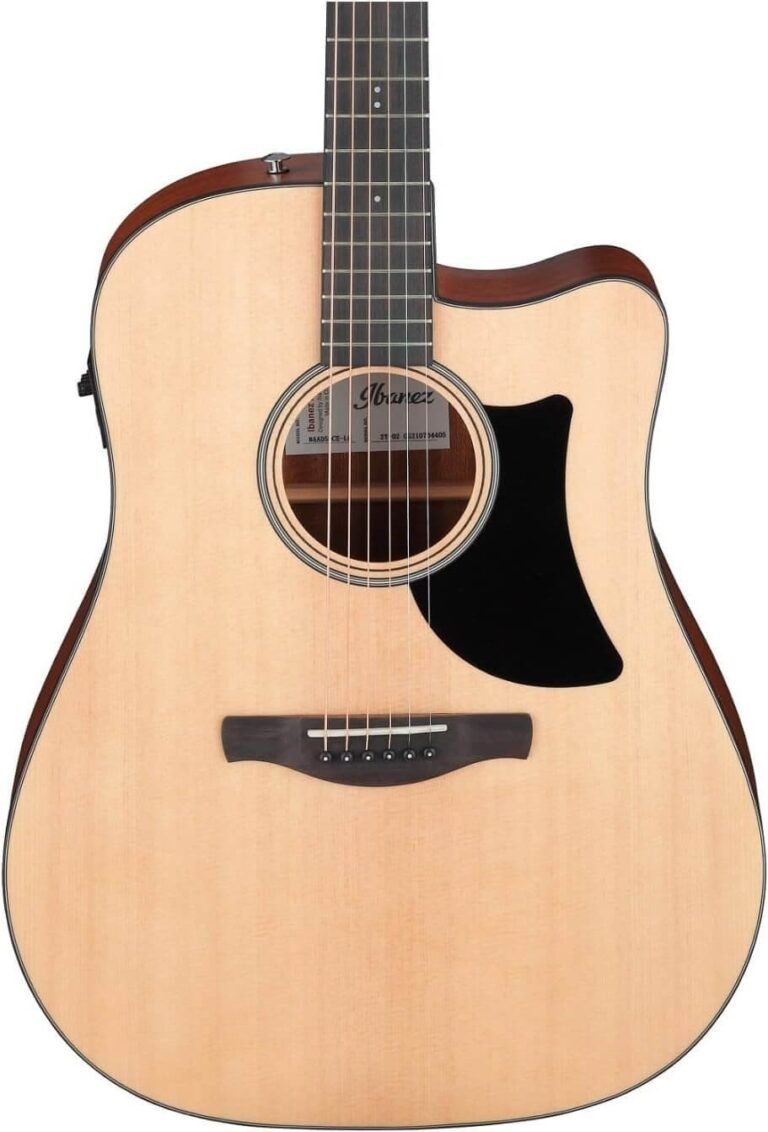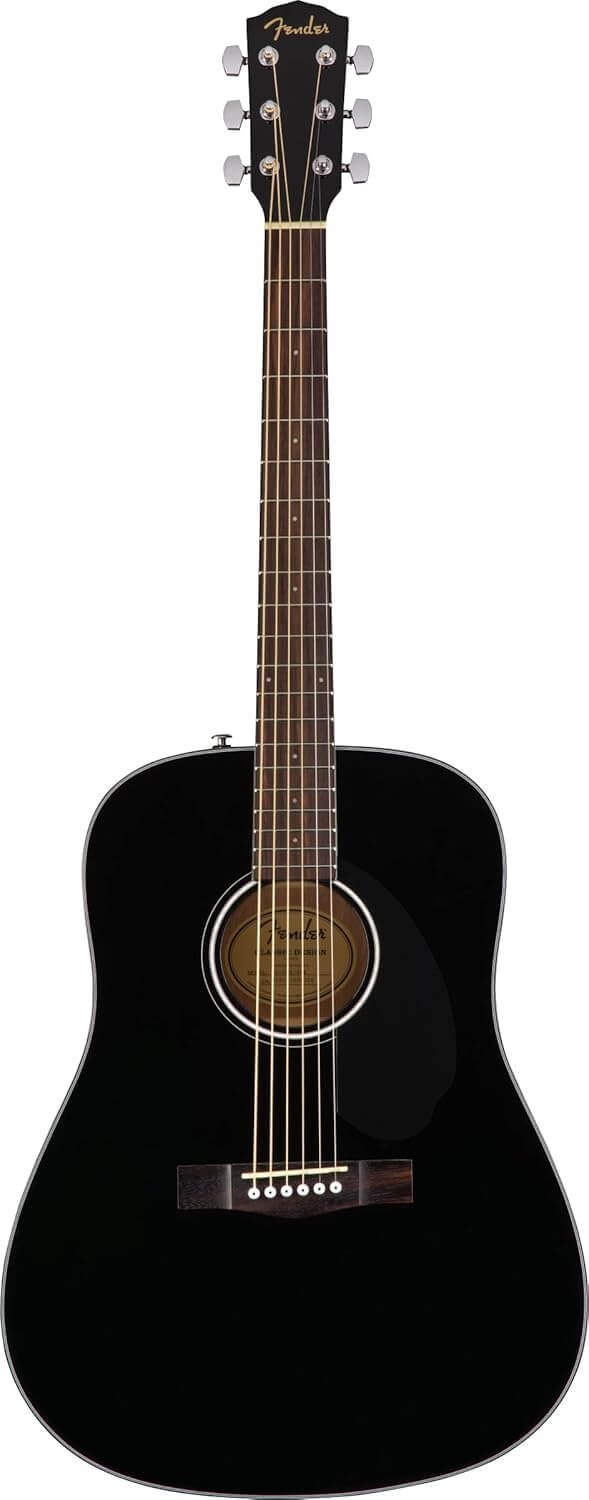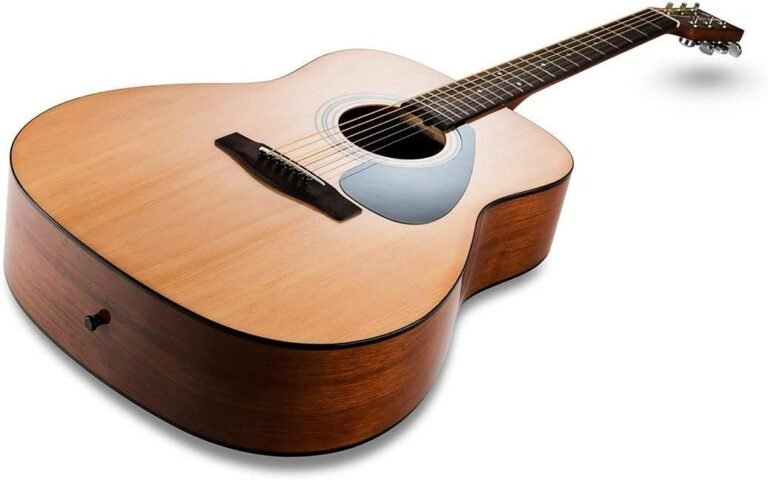
Gator Dreadnought Guitar Case for 6 – 12 String Acoustics
As an Amazon Associate, smartdigss.com/ earns from qualifying purchases.
Proper Protection for a Dreadnought Acoustic
A good acoustic guitar case should do more than keep dust off the instrument. It needs to protect the body, neck and hardware from knocks during storage, transport and everyday handling.
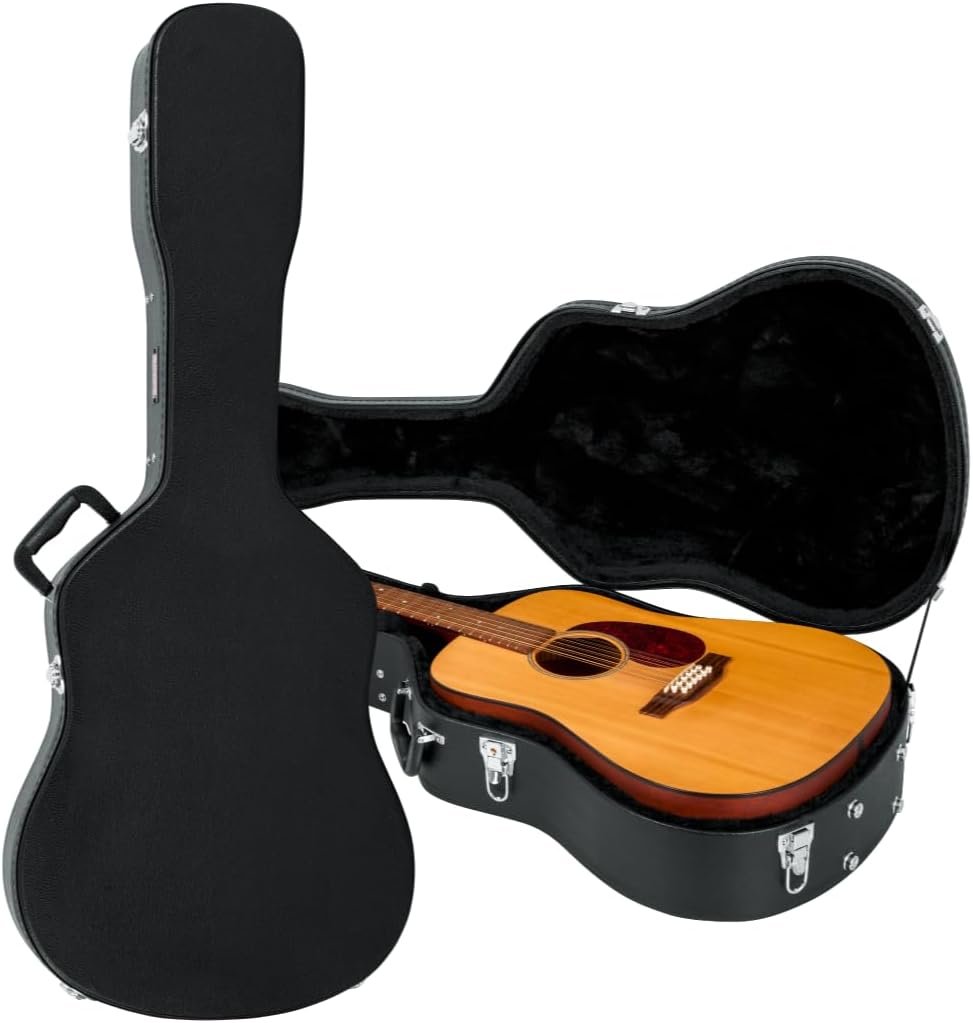
The Gator dreadnought guitar case is designed for both 6-string and 12-string acoustic guitars, making it a practical option for players who want a more substantial level of protection than a soft gig bag can provide.
Its rigid outer construction gives the case a firm, solid feel in the hand, while the padded interior is designed to cushion the guitar rather than leave it resting directly against a hard surface.
Built for 6- and 12-String Dreadnoughts
One of the useful things about this case is its compatibility with both standard 6-string dreadnought acoustics and larger 12-string versions.
That makes it more versatile than a case designed around one very specific instrument type, although fit still matters. Dreadnought guitars can vary slightly in body depth, lower-bout width and overall length, so checking the internal dimensions before ordering is important.
Once fitted correctly, the case should hold the guitar more securely than a loose soft bag, with less movement around the body and neck.
Hard-Shell Construction for Everyday Protection
The main advantage over a gig bag is the rigid shell.
A soft bag can be perfectly suitable for short trips, but it offers much less resistance against pressure or accidental impacts. A hard-shell case creates a firmer barrier around the guitar, which is especially useful when instruments are stored alongside other equipment or carried in a vehicle.
The trade-off is bulk. This type of case feels noticeably more substantial than a lightweight bag, but that extra weight is part of what provides the additional protection.
A Padded Interior for the Guitar
Inside, the case uses padding to create a softer resting surface around the instrument.
That cushioning helps protect the guitar’s finish and reduces direct contact between the instrument and the rigid shell. It also gives the interior a warmer, softer feel than the exterior suggests.
For players who keep a guitar stored for long periods between sessions, that added structure can be reassuring compared with simply leaning the instrument against a wall or leaving it in a lightly padded bag.
Useful for Storage, Rehearsals and Transport
This style of case makes the most sense for players who regularly move their acoustic guitar between home, rehearsals, lessons or performances.
It is also useful purely for storage. A dreadnought acoustic takes up a fair amount of space, and keeping it enclosed in a rigid case reduces the chance of accidental knocks from furniture, pets, cables or other musical equipment.
It will not be the lightest option to carry, but for players who value protection over minimum weight, that is a reasonable compromise.
Drawbacks
The biggest drawback is size and weight. A hard-shell case is much bulkier than a gig bag, so it is less convenient if you regularly carry your guitar on foot or need to squeeze it into a small car.
Fit is also important. Although this case is designed for 6- and 12-string dreadnought acoustics, not every dreadnought has exactly the same dimensions. It is worth checking the internal measurements carefully before ordering, particularly if your guitar has a deeper body or an unusual neck length.
The rigid construction also means there is less flexibility when storing the case. A soft bag can often be folded or tucked away, whereas a hard-shell case takes up its full footprint whether the guitar is inside it or not.
For players who mainly use their guitar at home and rarely move it, that extra bulk may feel unnecessary. But if protection matters more than portability, the trade-off is easier to justify.
Check It Out!