Kala Wanderer WNDR-FS Acoustic-Electric U-Bass
As an Amazon Associate I earn from qualifying purchases.
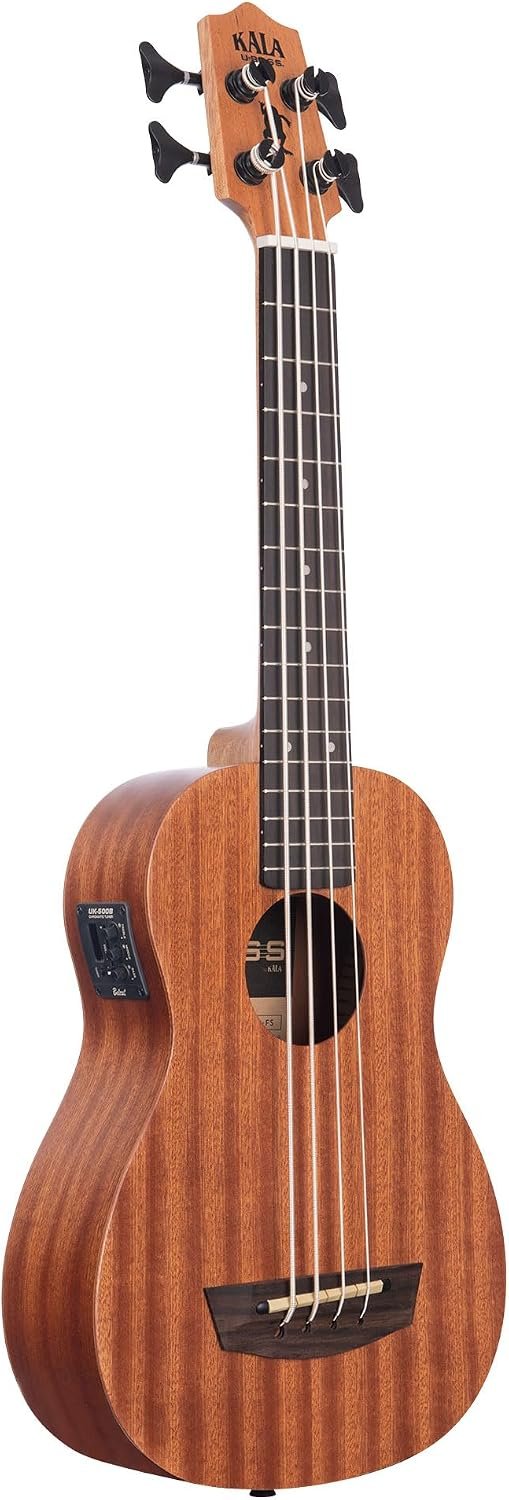
The Kala Wanderer WNDR-FS Acoustic-Electric U-Bass offers something genuinely different from a conventional bass guitar. With its compact mahogany body, unusually short scale and built-in electronics, it delivers a portable approach to playing bass without abandoning the instrument’s familiar musical role.
At first glance, the Wanderer looks closer to a large ukulele than a traditional electric bass. However, its four-string layout, standard bass tuning and amplified capabilities make it a proper bass instrument rather than a novelty.
Its natural satin finish gives the mahogany construction a warm, understated appearance, while the compact dimensions make it particularly interesting for home practice, travel and informal playing sessions.
There are compromises, especially in acoustic volume, fretboard range and the unusual playing feel. Nevertheless, the Wanderer offers an appealing alternative for musicians who want bass sounds without always carrying a full-size instrument.
Why the Kala Wanderer Stands Out
Most electric bass guitars follow a familiar formula: a relatively long neck, a solid body and a scale length of approximately 34 inches.
The Kala Wanderer takes a very different approach.
Its 20.875-inch scale and overall length of approximately 29.625 inches make it dramatically smaller than a conventional full-size bass.
That difference becomes immediately apparent when considering storage and transport.
Instead of requiring the space normally occupied by a full-length bass case, the Wanderer fits into a much smaller padded gig bag, which Kala includes with the instrument.
The body is constructed from mahogany, with matching mahogany back and sides and a mahogany neck.
A rosewood fingerboard and bridge complement the natural satin finish, creating an appearance that feels more traditional than its unusual dimensions might suggest.
The styling is deliberately simple.
There are no elaborate decorative fittings or unnecessary controls. Instead, Kala has concentrated on producing a compact, practical bass with a natural acoustic character.
For musicians interested in alternative instrument designs, that simplicity is one of its most attractive qualities.
What It Feels Like to Play
The Wanderer’s short scale is central to its playing experience.
Because the frets are positioned much closer together than on a conventional full-size bass, reaching between notes requires less movement along the neck.
This may appeal to guitarists exploring bass for the first time, players with smaller hands and experienced bassists looking for a more compact instrument.
The neck is fitted with 16 frets, and the rosewood fingerboard provides a familiar wooden playing surface.
Kala uses metal round-wound strings designed specifically for its U-Bass instruments.
These are not the thick, rubber-like polyurethane strings associated with some other compact bass models.
Instead, the Wanderer’s strings have a nylon core with metal windings, giving them a more recognisable round-wound texture beneath the fingertips.
The lower string tension and shorter scale produce a playing experience that differs noticeably from a conventional bass.
Players accustomed to the firmer resistance of ordinary electric bass strings may need time to adjust their touch.
The natural satin finish also contributes to the Wanderer’s uncomplicated appearance.
Rather than covering the mahogany with a heavy-looking gloss, it allows the instrument’s wood grain to remain visually prominent.
The result is a compact instrument with a restrained, organic character.
A Surprisingly Capable Bass Sound
The Wanderer is designed to deliver recognisable bass frequencies despite its remarkably small body.
Its mahogany construction and specially designed strings help produce a rounded, woody acoustic character.
The metal round-wound strings provide a more defined attack than many traditional polyurethane U-Bass strings.
This can be particularly useful for players who want individual notes to remain clear when practising fingerstyle lines or working through more rhythmic passages.
The compact acoustic body allows the instrument to produce sound without amplification.
For quiet individual practice, this can be convenient.
There is no need to connect an amplifier every time someone wants to practise a scale, explore a melody or work through a new bass line.
However, the acoustic volume is naturally limited by the instrument’s small body.
Although the Wanderer can be heard during quiet practice, it will not compete with louder acoustic guitars, drums or other amplified instruments without additional equipment.
Players interested in a more conventional acoustic bass can compare the approach with our Fender Kingman Acoustic Bass guide.
The Fender uses a much larger acoustic body, making it a useful contrast to the remarkably compact Kala.
Built-In Electronics for Amplified Playing
The Wanderer includes Kala’s UK-500B electronics, allowing the instrument to be connected to a suitable bass amplifier or compatible recording equipment.
This is an important feature because the instrument’s compact acoustic body cannot provide the volume required for every playing situation.
The onboard system includes adjustable controls for shaping the amplified sound.
This gives players more flexibility than relying on the instrument’s natural acoustic output alone.
Kala specifies a 9V battery for the current electronics configuration, so battery condition is an important consideration when using the amplified functions.
Connecting the Wanderer to a suitable bass amplifier allows its low-frequency character to become much more apparent.
It also opens up possibilities for home recording, rehearsal and smaller amplified performances.
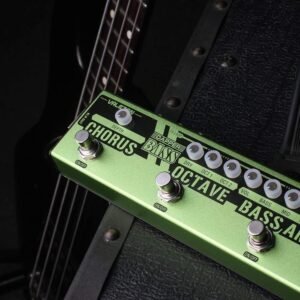
For players interested in additional tonal control, our Valeton Dapper Bass DI and Effects guide explores equipment designed to shape bass sounds and connect with larger amplification systems.
The Wanderer is best regarded as an acoustic-electric instrument whose amplified capabilities are an essential part of its versatility.
A Practical Instrument for Travel and Home Playing
Portability is one of the clearest reasons to consider the Kala Wanderer.
Its short overall length makes it easier to accommodate in smaller rooms, music corners and travel arrangements.
The included padded gig bag adds convenience when carrying the instrument to lessons, rehearsals or informal playing sessions.
For musicians who regularly travel, the difference between carrying a full-size bass and a compact U-Bass can be substantial.
The Wanderer may also appeal to guitarists who want to keep a bass available for occasional songwriting or home recording.
Rather than dedicating a large amount of space to an additional full-size instrument, a compact U-Bass can be stored nearby and brought out when needed.
It also encourages a slightly different approach to playing.
The shorter scale and unusual tonal character can make familiar bass lines feel fresh, particularly for experienced musicians accustomed to traditional solid-body instruments.
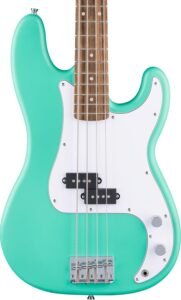
For someone whose main priority is learning bass on a conventional scale, our Squier Debut Precision Bass guide provides a useful comparison with a familiar full-size design.
Both instruments have their place, but they offer distinctly different playing experiences.
The Drawbacks
The Kala Wanderer has several appealing qualities, but its unusual design introduces limitations that deserve proper consideration.
The Short Scale Requires Adjustment
The 20.875-inch scale makes the Wanderer exceptionally compact, but it also changes how the instrument responds beneath the fingers.
Players accustomed to conventional bass guitars may initially find the reduced fret spacing unfamiliar.
The lower string tension also requires a different touch.
A forceful playing technique that works comfortably on a full-size bass may produce less controlled results on the Wanderer.
Developing a lighter and more deliberate approach can help, but the adjustment should not be underestimated.
Someone specifically wanting to build technique for a traditional 34-inch bass may prefer learning on a full-size instrument from the beginning.
Limited Acoustic Volume
Although the Wanderer can be played acoustically, its small body cannot move the same amount of air as a larger acoustic bass.
That limits its natural projection.
Quiet home practice is one thing, but playing alongside a group of acoustic guitarists may quickly expose the instrument’s volume limitations.
An amplifier is likely to be necessary for ensemble playing.
This is particularly important for anyone hoping to use the Wanderer as a completely self-contained instrument for outdoor gatherings or informal acoustic performances.
It offers acoustic convenience, but it should not be confused with a large-bodied acoustic bass.
Only 16 Frets
The Wanderer provides 16 frets rather than the 20, 21 or 24 found on many conventional bass guitars.
For ordinary bass lines, accompaniment and rhythm playing, that range may be entirely sufficient.
However, players who regularly use higher-register notes or more advanced solo techniques may find the available range restrictive.
The compact body also changes the physical experience of moving towards the upper end of the fingerboard.
Anyone who relies heavily on high-register playing should consider whether the instrument provides enough room for their particular style.
Specialist Strings Need Careful Selection
The Wanderer’s metal round-wound strings are an important part of its character.
However, replacement strings must be selected with the instrument’s unusual scale length and setup in mind.
Ordinary full-size electric bass strings are not a suitable substitute.
Kala supplies dedicated U-Bass string sets, and buyers should confirm compatibility with the specific round-wound configuration.
Changing to a different type of U-Bass string may require adjustments to the nut or instrument setup.
The metal windings also have a different surface texture from polyurethane strings, which may affect comfort for players who prefer a softer feel.
Specialist string requirements are worth considering before choosing an instrument intended for frequent use.
Electronics Require Battery Maintenance
The built-in electronics are useful, but they introduce an additional maintenance consideration.
The published specification identifies a 9V-powered system.
If the battery becomes depleted, the amplified functions may stop working correctly.
This is a minor inconvenience for occasional home playing but becomes more important during rehearsals, recording sessions or performances.
A suitable spare battery is a sensible addition to the gig bag.
The electronics also depend on suitable connections, an instrument cable and compatible amplification equipment.
The Wanderer is not an entirely self-contained amplified bass.
Compact Size Does Not Suit Every Player
Although portability is a major attraction, smaller is not automatically more comfortable.
Players with larger hands may find the closely spaced frets and compact neck less natural than those of a traditional bass.
The small body can also sit differently when played seated.
Someone accustomed to resting a full-size instrument against the body may need time to find a comfortable position.
The instrument has one factory-fitted strap button, so anyone planning extensive standing performance should check the most appropriate strap arrangement.
It is worth considering playing comfort rather than assuming the compact dimensions will suit everyone.
It Is Not a Direct Replacement for a Full-Size Bass
The Wanderer’s distinctive character is part of its appeal, but it also means it cannot reproduce every aspect of a conventional electric bass experience.
The short scale, acoustic body and piezo-based amplified response differ from the sound and playing feel associated with traditional magnetic-pickup bass guitars.
This may be particularly noticeable when chasing specific rock, funk or modern electric bass tones.
An amplifier and additional equipment can broaden the available sounds, but they will not completely change the instrument’s underlying character.
For someone who needs a dependable primary instrument covering many conventional electric bass styles, a standard bass guitar may be the more suitable choice.
The Wanderer makes greater sense as a portable alternative, a distinctive recording instrument or a second bass offering something different.
Protection and Long-Term Ownership
Kala includes a padded gig bag, which is helpful for everyday transport and storage.
However, a padded bag should not be regarded as equivalent to a rigid protective case.
The compact wooden body still needs protection from impacts, excessive heat, moisture and rapid changes in humidity.
The satin finish may also develop visible handling marks over time.
Anyone intending to travel frequently should consider how the instrument will be packed and stored.
It is particularly important not to assume that its small size makes it suitable for careless transport.
Despite its unconventional dimensions, the Wanderer remains a wooden musical instrument that benefits from sensible handling and maintenance.
Who It Suits Best
The Kala Wanderer is particularly well suited to bassists looking for a compact alternative to their main instrument.
Its manageable dimensions make it appealing for home practice, travel, songwriting and informal playing.
Guitarists interested in exploring bass may also appreciate its shorter scale and relatively accessible fret spacing.
It can be an interesting choice for musicians who want a warm acoustic-electric bass character without carrying a much larger instrument.
The Wanderer is less suitable for players requiring extensive upper-fret access, powerful unamplified volume or the familiar playing response of a conventional full-size electric bass.
For musicians comparing traditional instruments with more unusual designs, our Bass Guitars guides explore a wider selection of basses for different playing styles and musical needs.
The important question is whether the Wanderer’s portability and distinctive character offer something genuinely useful within an existing musical setup.
Is the Kala Wanderer Worth the Space?
The Kala Wanderer WNDR-FS is an appealing example of how a bass instrument can be both compact and musically useful.
Its mahogany construction, natural satin finish, short scale and metal round-wound strings give it a distinctive identity.
The built-in electronics extend its usefulness beyond quiet acoustic practice, while the included padded gig bag reinforces its portable design.
There are genuine compromises.
The limited acoustic volume, 16-fret range, specialist strings and unusual playing feel mean it will not suit every bassist.
However, those limitations are closely connected to the features that make the Wanderer different.
For someone who already owns a conventional bass and wants a more portable companion, or a guitarist interested in adding an unusual bass voice to a home setup, the Kala offers a convincing alternative.
It does not attempt to replace every conventional bass guitar.
Instead, it provides something smaller, simpler and distinctly different — an instrument that can encourage players to explore bass from another perspective.
As an Amazon Associate I earn from qualifying purchases.