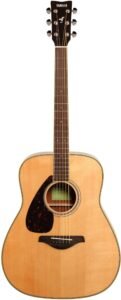
Yamaha FG800 Dreadnought Acoustic Guitar
As an Amazon Associate I earn from qualifying purchases.
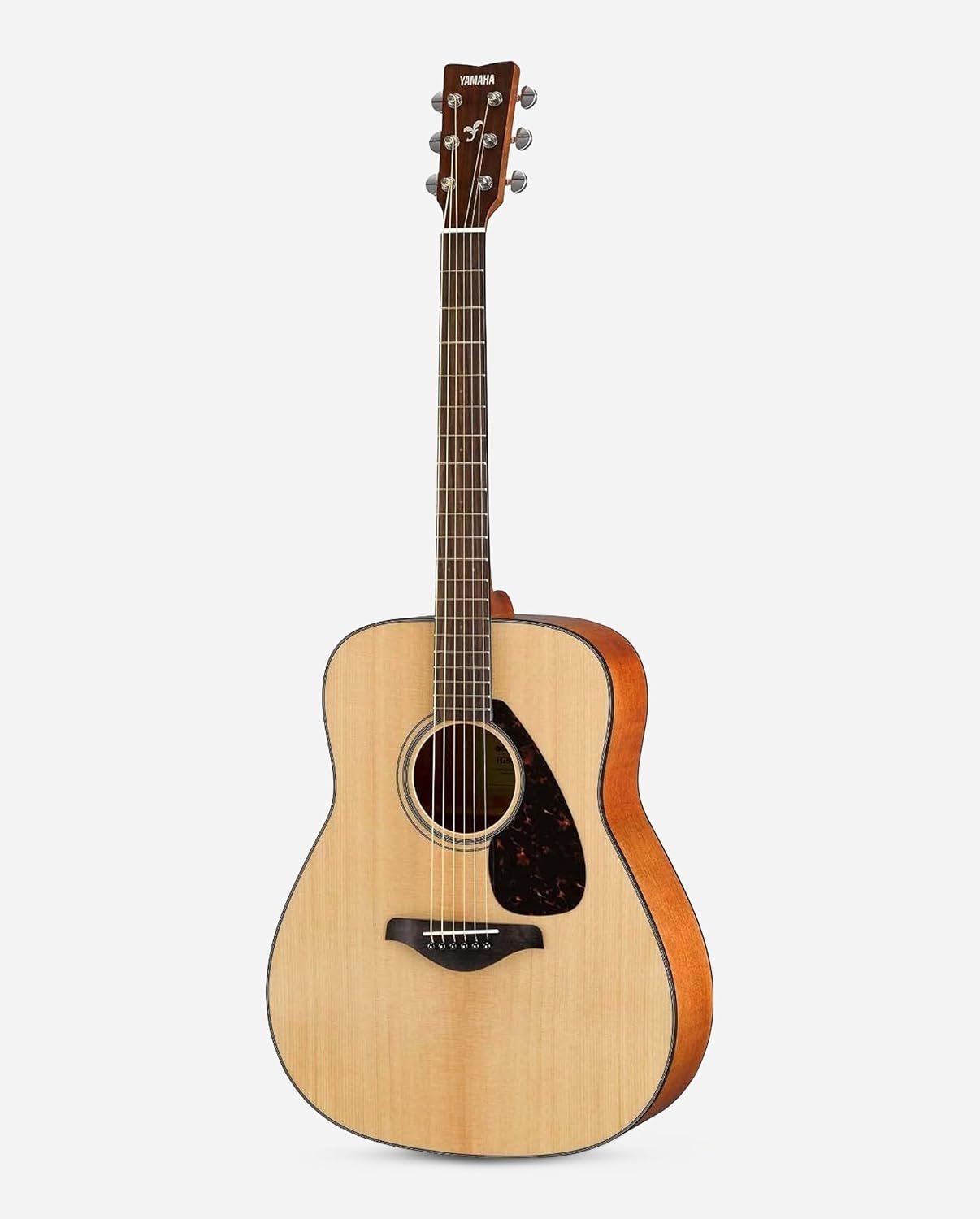
The Yamaha FG800 is the sort of acoustic guitar that keeps things pleasantly straightforward. It has the familiar full-size dreadnought shape, a traditional natural finish and the kind of no-nonsense construction that makes it easy to understand why Yamaha’s FG series has remained popular for so long.
Rather than trying to impress with flashy extras, the FG800 focuses on the basics: a solid spruce top, a substantial body and a simple acoustic setup designed for everyday playing. It feels like a guitar made for someone who wants a dependable instrument they can pick up regularly, learn on, practise with and keep around for years.
Why it works in an acoustic guitar setup
The Yamaha FG800 works well because it sticks to a familiar, practical formula. Its dreadnought body gives it the fuller physical presence many players expect from a traditional acoustic, while the solid spruce top helps it produce the clear, open character that suits strumming, basic chord work and general practice.
It also makes sense as a guitar to keep within easy reach at home. There are no controls, batteries or amplification settings to think about, so you can simply pick it up and play. That simplicity is particularly useful for beginners, but it also suits more experienced players who want a straightforward acoustic alongside their electric guitars or recording gear.
The natural finish keeps the look traditional rather than flashy. In the hands, a dreadnought feels broad and substantial against the body, with more wood around you than a compact parlour or concert-style guitar. That larger shape is part of its appeal, especially for players who like a guitar that feels solid and planted while they strum.
What it feels like to use
The FG800 has that reassuring, traditional acoustic-guitar feel: a broad dreadnought body resting firmly against you, a substantial neck in the hand, and enough physical presence to make strumming feel satisfying rather than delicate.
For seated playing, the larger body gives your picking arm a comfortable place to settle, although smaller players may notice the depth more than they would with a concert or parlour guitar. Standing with a strap, it feels like a conventional full-size acoustic rather than something compact or lightweight.
The appeal is really in the simplicity. There are no onboard controls to distract from playing, and no setup beyond tuning the guitar and getting comfortable. Chords, open-string practice and rhythmic strumming all suit the FG800’s straightforward character particularly well.
There is also something quite pleasant about the tactile side of a natural-finish acoustic like this. You feel the wooden body against your chest and forearm, hear the sound resonating directly from the instrument, and get a much more immediate connection than you do with a guitar that depends on an amplifier.
The drawbacks
The main compromise with the Yamaha FG800 is its size. A dreadnought has a broad body and noticeable depth, which helps give it that traditional acoustic presence, but it can feel bulky if you are smaller, have a shorter reach, or simply prefer a more compact guitar. For long seated practice sessions, some players may find a concert or auditorium-style body easier on the shoulder and picking arm.
It is also a purely acoustic instrument. There are no built-in electronics, so anyone planning to plug directly into an amplifier, audio interface or PA system will need to add a suitable pickup or microphone separately. That is not a problem for home practice, but it does make the FG800 less immediately convenient for live use.
Another point worth considering is that guitars in this part of the market can benefit from a proper setup. Action height, neck relief and string choice all affect how comfortable an acoustic feels, particularly for a beginner. The FG800 may arrive perfectly usable, but a player who wants the lightest possible feel should not assume every example will feel identical straight out of the box.
The larger dreadnought shape also means this is not the obvious choice for travel, sofa playing in a tight space or younger players who struggle with full-size acoustics. It is a traditional, substantial guitar, and that physical character is both one of its strengths and one of its limitations.
Who it suits best
The Yamaha FG800 makes the most sense for players who want a traditional, full-size acoustic without unnecessary extras. It is particularly well suited to beginners who would rather start with a proper instrument from an established guitar maker than something that feels temporary.
It also suits electric-guitar players who want a straightforward acoustic to keep at home for writing, practising chords or playing unplugged. There is very little fuss involved: tune it, pick it up and play. That simplicity is part of the attraction.
Players who enjoy strumming are likely to appreciate the dreadnought body most. The larger shape gives the guitar a solid, substantial feel against the body and suits rhythmic playing particularly well. Singer-songwriters, casual home players and anyone learning common open chords should all find plenty to like here.
Where it makes less sense is for someone who already knows they prefer smaller-bodied acoustics, needs built-in electronics, or wants something especially compact for travelling. In those cases, a concert-size or electro-acoustic model would probably be the better fit.
Is it worth the guitar space?
For the right player, yes. The Yamaha FG800 earns its place by being a straightforward, traditional acoustic rather than trying to cover every possible use. Its full-size dreadnought body, solid spruce top and simple acoustic design make it especially appealing as a dependable guitar for regular home playing, learning, songwriting and strumming.
It is also the kind of instrument that can continue to make sense as a player improves. A beginner can use it for first chords and basic rhythm work, while a more experienced guitarist can still keep it around as an uncomplicated acoustic for practice or writing. That gives it more staying power than a guitar bought purely as a short-term starter instrument.
The trade-off is that it does take up proper full-size guitar space. If you want something compact, travel-friendly or ready to plug straight into a PA, there are better choices. But if what you want is a traditional acoustic that feels substantial, looks familiar and keeps the focus firmly on playing, the FG800 is an easy product to justify.
Take a closer look