Unleash Your Creativity with Boss RC-1 Loop Station
Introduction to the Boss RC-1 Loop Station
The Boss RC-1 Loop Station pedal has earned a solid reputation within the music community, becoming a favorite among musicians for its user-friendly design and exceptional performance. Recognized for its reliability, this looper pedal enables artists to create rich musical layers effortlessly. Its intuitive interface allows both beginners and experienced players to dive into the world of looping without unnecessary complications.
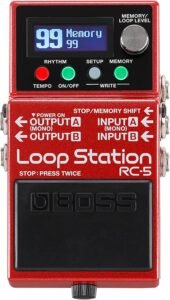
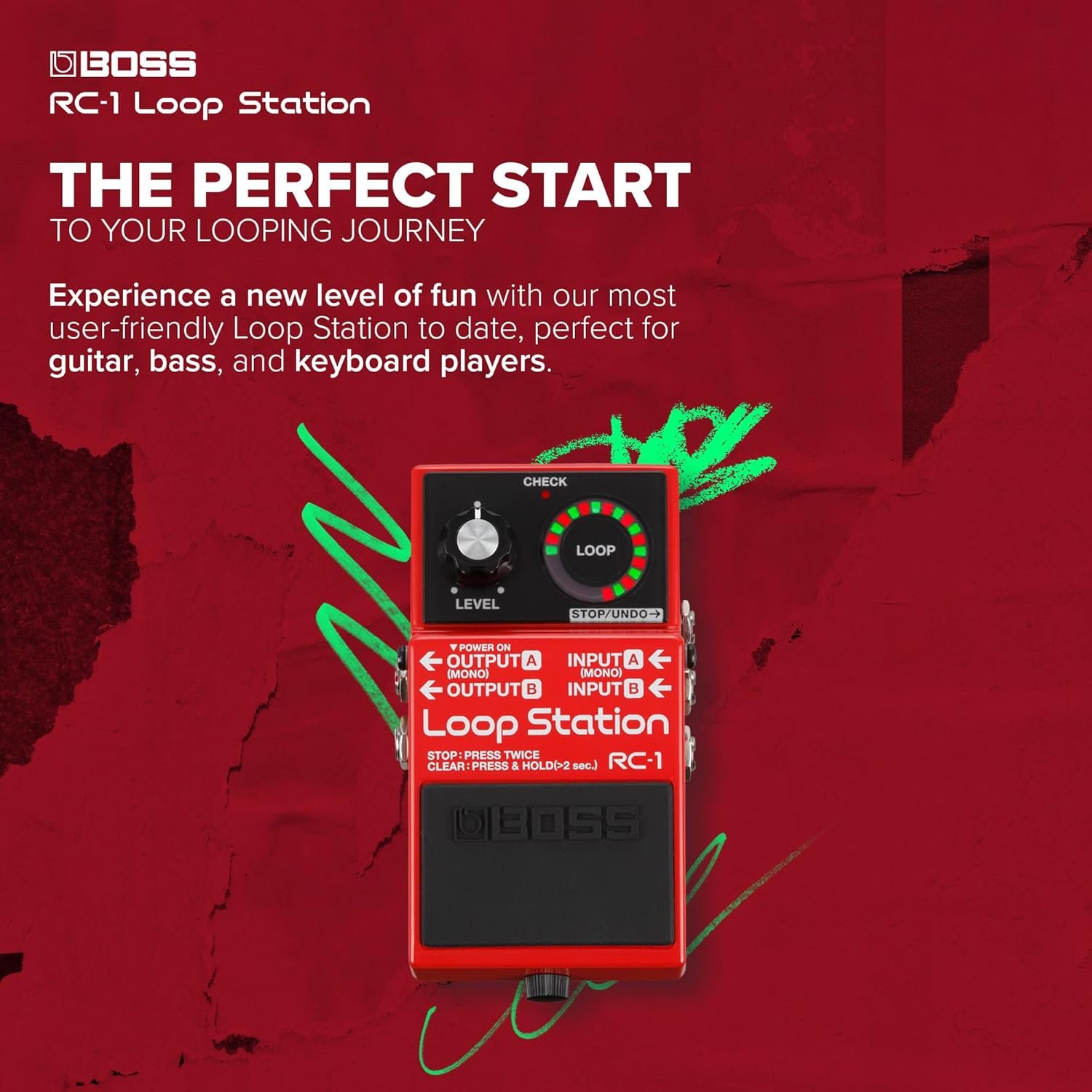
One of the standout features of the Boss RC-1 is its simplicity. The pedal is designed with a single control knob that makes it easily accessible, ensuring that musicians can operate it with minimal distraction. This aspect is particularly appealing to those new to looping, as it provides a straightforward entry point into the technique. Additionally, the RC-1’s clear LED display indicates the current loop status, which allows for seamless performance and easy feedback during practice sessions.
The versatility of the Boss RC-1 Loop Station pedal enhances its appeal further. It is suitable for a wide variety of genres, making it a valuable addition to any musician’s toolkit. From guitarists looking to experiment with harmonies to vocalists wanting to layer their sound, the pedal accommodates diverse creative expressions. Furthermore, its robust construction ensures durability, making it a reliable choice for both live performances and studio recordings.
In summary, the Boss RC-1 Loop Station pedal stands out in the music industry due to its combination of simplicity, versatility, and robustness. Whether one is just starting to explore looping or seeking a dependable tool to enhance their performances, the RC-1 is poised to inspire creativity across all skill levels.
Key Features of the Boss RC-1
The Boss RC-1 Loop Station pedal is designed to enhance musical creativity through its array of standout features that appeal to a wide range of musicians, including guitarists, bassists, and keyboardists. Its intuitive controls make it exceptionally user-friendly, allowing players to focus on creativity rather than technicalities. With its simple interface, users can easily record, overdub, and play back loops. This simplicity is particularly beneficial for beginners who may find complex equipment daunting.
One of the most notable aspects of the Boss RC-1 is its impressive sound quality. The pedal boasts high-resolution audio processing, ensuring that each loop is captured with impeccable clarity. Musicians can expect rich tones without any detrimental artifacts, which is crucial for both live performances and studio recordings. This sound fidelity allows performers to layer multiple tracks seamlessly, creating intricate compositions without compromising on quality.
Furthermore, the Boss RC-1 is equipped with a loop time of up to 12 minutes, which provides ample space for various musical segments. This extended loop duration allows musicians to construct longer pieces without the limitation that some other loopers impose. The pedal also features a visual loop indicator, which helps musicians stay in sync by providing a clear visual reference for when the loop is playing or recording.
In its design, the Boss RC-1 Loop Station pedal is both compact and durable, making it an ideal choice for on-the-go musicians. It can easily fit into any pedalboard setup while withstanding the rigors of live performances. Overall, the combination of intuitive controls, superior sound quality, and robust design makes the Boss RC-1 a standout choice for anyone looking to explore the world of looping and sound manipulation.
Benefits of Using a Loop Station
The integration of a loop station, such as the Boss RC-1 Loop Station pedal, into musical performances offers a myriad of benefits, profoundly impacting both the creative process and overall performance experience. One of the most significant advantages is the enhancement of creativity. By allowing musicians to layer sounds and build complex arrangements in real-time, loop stations encourage experimentation with musical ideas. This layering capability enables artists to explore various genres and styles, motivating them to push boundaries and innovate within their compositions.
Moreover, a loop station can serve as a powerful songwriting tool. Musicians can utilize the looping feature to develop musical ideas quickly. By recording a simple melody or chord progression, they can listen to it repetitively, providing an ideal environment for inspiration to strike. This not only streamlines the songwriting process but also helps in refining skills such as rhythm and timing, essential for any musician. Additionally, it can assist in creating unique soundscapes that contribute to a song’s overall atmosphere, all of which can be achieved without the need for additional musicians.
Furthermore, the Boss RC-1 Loop Station pedal is an excellent performance instrument. It allows artists to engage with their audience in innovative ways by incorporating live-looping into their acts, which creates a captivating experience. Musicians can build entire songs from scratch on stage, maintaining the audience’s attention with dynamic performances. This element of live-looping not only showcases the musician’s talent but also fosters a sense of connection with the listeners, making performances more memorable.
How to Set Up the Boss RC-1 Loop Station
Setting up the Boss RC-1 Loop Station is essential for maximizing its potential in your musical performances. Begin by ensuring you have all necessary equipment, including your instrument, amplifier, and suitable cables. The first step is to connect your instrument to the input jack on the loop station. For most electric instruments, standard 1/4-inch instrument cables will suffice. If you are using a microphone or a different audio source, make sure it corresponds to the appropriate input type for the loop station.
Next, connect the output of the Boss RC-1 to your amplifier or mixer using another 1/4-inch cable. This connection allows the loop station to transmit the looped audio signal to your sound system. Be sure to keep the volume levels low while doing this to avoid any sudden loud sounds. Once your connections are secure, plug in the power supply or insert batteries to turn on the RC-1. A simple switch at the back of the pedal allows you to choose between using batteries or AC power.
After powering it on, familiarize yourself with the controls on the Boss RC-1 Loop Station. The large record/play button in the center is your main control for looping. To create a loop, press the button to start recording, and tap it again to stop. You can elaborate on your loops by layering additional recordings, which can be managed using the effects and volume settings. Experiment with the overdubbing features to enhance your sound. For the best results, ensure that you are comfortable with engaging the loop and layering additional sounds, as this will significantly contribute to your creative process.
In conclusion, setting up the Boss RC-1 Loop Station involves straightforward connections along with familiarization of its controls. By correctly integrating it with your instruments and practicing its functionalities, you will enhance your musical compositions and performances.
Sound Quality and Performance
The Boss RC-1 Loop Station Pedal has garnered attention not only for its user-friendly design but also for its impressive sound quality and performance. Musicians and performers using the RC-1 will appreciate how it captures the nuances of their sound, whether during a live stage performance or in a recording session. The pedal is equipped with high-quality audio circuitry, which ensures that every note played is reproduced with exceptional clarity.
One of the standout features of the Boss RC-1 is its ability to maintain the integrity of sound even when layering multiple tracks. Musicians often create intricate compositions that require overlapping recordings, and the RC-1 excels in preserving the depth and richness of each layer. This is primarily due to its advanced digital processing capabilities, which effectively minimize latency and distortion, ensuring that the performance remains clean and vibrant.
In different settings, whether it’s a small intimate gathering or a larger venue, the Boss RC-1 adapts well and delivers consistent performance. Users have reported a seamless experience when looping rhythm sections, melodies, or any audio snippets in a live scenario, allowing for spontaneous creativity. This flexibility makes the RC-1 a versatile tool for artists exploring various genres and styles.
Moreover, it’s important to note that the RC-1 preserves dynamic range and tonal quality across all volume levels. Musicians can play softly or with power, and the pedal responds appropriately, making it suitable for both delicate arrangements and robust performances. Overall, the Boss RC-1 Loop Station Pedal ensures a superior sound experience that can elevate any musical performance to new heights.
User Experience and Reviews
The Boss RC-1 Loop Station pedal has garnered significant attention from musicians and performers across various genres. Users frequently highlight its straightforward interface, which makes it accessible for both beginners and seasoned professionals. Many appreciate its one-button operation, allowing for effortless looping and layering of sounds without the need for complicated setups. This user-friendly design has made the RC-1 a favorite in live performance settings, where quick transitions and spontaneity are crucial.
Positive feedback often focuses on the high-quality sound reproduction of the Boss RC-1 Loop Station. Musicians report that the pedal maintains audio fidelity, ensuring that their loops retain the richness and nuance of live performance. This has led many artists to integrate the RC-1 into their home recording setups, using it to craft intricate musical ideas with ease.
Despite its many strengths, some users have noted areas for improvement. A few constructive criticisms involve the limited storage capacity for loops, which can be a disadvantage during extended performances or complex compositions. Additionally, some players have expressed a desire for additional features, such as the ability to save multiple loop sequences. However, these critiques are often outweighed by the overall satisfaction with the pedal’s performance.
The RC-1 Loop Station’s robust build quality and reliability further enhance its appeal, making it a dependable choice for touring musicians. Many reviews emphasize that regardless of the setting—be it a cozy acoustic gig or an electrifying live concert—musicians have found the pedal to deliver consistent and powerful performance every time.
Comparisons with Other Loop Stations
When considering loop stations, one often encounters a diverse array of options, each with its own unique features and target audience. The Boss RC-1 Loop Station pedal stands out due to its user-friendly interface and reliable performance, making it suitable for both beginners and experienced musicians alike. However, it is beneficial to compare it with other popular models to determine which may best suit specific needs.
Another commonly chosen loop station is the Electro-Harmonix 720 Stereo Looper. Priced slightly higher than the Boss RC-1, the 720 offers two independent loops, which can be layered simultaneously. This feature makes it ideal for musicians seeking a more complex looping experience. However, for those who prioritize simplicity and ease of use, the Boss RC-1 may be more attractive, as it provides straightforward controls and an intuitive functionality that can be quickly grasped.
The Digitech JamMan Express XT is another contender in this space, known for its extensive looping capabilities and onboard memory. While it offers a wealth of features, including the ability to save loops for later playback, this also comes at a steeper price. In contrast, the Boss RC-1 maintains a more modest price point and focuses on delivering a reliable looping performance without overwhelming the user with complex options.
For performance artists, the Boss RC-300 Loop Station may be appealing due to its three channel inputs and extensive effects processing. However, its cost typically exceeds that of the RC-1, and the additional functionality may be unnecessary for casual users. In summary, while the Boss RC-1 Loop Station pedal provides a perfect blend of simplicity and effectiveness, other models offer specialized features that may better serve particular types of musicians, depending on their specific requirements and budget.
Who Should Buy the Boss RC-1 Loop Station?
The Boss RC-1 Loop Station pedal is a versatile tool that caters to a wide range of musicians, from novices to seasoned professionals. Its straightforward interface paired with robust features makes it an excellent choice for individuals at varying skill levels.
For beginners, the RC-1 offers an intuitive design that simplifies the learning process. Musicians who are just starting their journey into looping can readily understand its functions without feeling overwhelmed. The single knob control allows easy adjustment of the volume and playback, encouraging users to explore their creativity. Beginner guitarists, vocalists, or instrumentalists will find that this pedal provides the perfect platform to experiment with layering sounds and developing musical ideas.
Professional musicians will also appreciate the Boss RC-1’s simplicity combined with effectiveness. This pedal can enhance live performances or studio recordings by allowing artists to create complex loops in real-time. Its high-quality sound output and durable construction make it suitable for frequent use on stage or in practice settings. The RC-1 can serve as an impressive tool for those in various musical genres, including rock, jazz, folk, and pop, effectively adapting to different styles and settings.
Additionally, songwriters can take advantage of the Boss RC-1 Loop Station to flesh out arrangements and harmonies. By layering different musical elements, they can visualize their ideas and expand upon them, providing a significant boost to their creative process. In conclusion, this pedal’s appeal spans various music communities, making it a wise investment for anyone looking to explore the bounds of their creativity.
Conclusion and Call to Action
The Boss RC-1 Loop Station pedal stands out as an exceptional tool for musicians seeking to expand their creative capabilities. This loop station provides a simple yet effective solution for layering sounds, allowing users to create dynamic compositions with ease. The pedal’s intuitive interface ensures that even novice musicians can integrate looping into their practice or performance without a steep learning curve.
One of the significant benefits of the Boss RC-1 is its high-quality audio performance. The pedal maintains sound fidelity whether recording or playing back loops, thus preserving the nuances of your sound. Moreover, with features such as unlimited overdubbing and visual feedback through its LED display, the RC-1 enhances the live performance experience significantly. Musicians can experiment with melody, harmony, and rhythm—paving the way for endless possibilities in songwriting and improvisation.
Furthermore, the compact and robust design makes the Boss RC-1 Loop Station pedal portable and durable, suitable for musicians on the go. This pedal appeals not only to guitarists but also to vocalists, keyboardists, and even beatboxers. It serves as a versatile companion in various musical genres, enabling artists to push their creative boundaries a little further each time they engage with it.
For those interested in enhancing their musical journey, the Boss RC-1 Loop Station pedal is a worthy investment. It marries functionality with user-friendliness, making it accessible for all skill levels. If you are looking to elevate your music-making experience and unleash your creativity, consider adding the Boss RC-1 to your ensemble. Explore the enhancements it can bring to your sound and take your performances to new heights!
Check It Out!