GPCA Titanium Guitar Picks 3-Pack
As an Amazon Associate I earn from qualifying purchases.
Most guitarists are familiar with plastic picks. They’re lightweight, flexible and available in countless shapes and thicknesses. But changing the material of something as small as a guitar pick can noticeably change the way strings respond beneath your fingers.
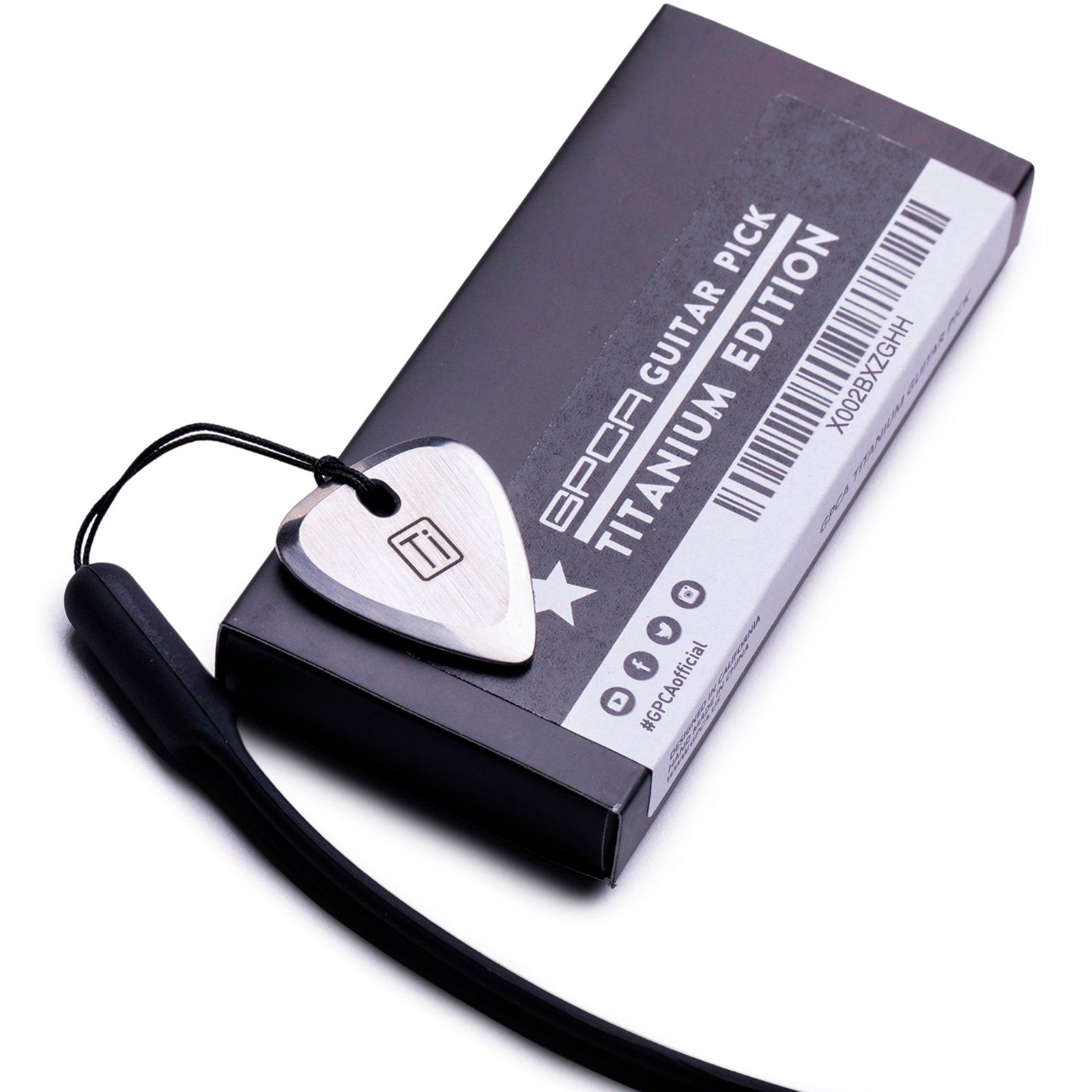
The GPCA Titanium Guitar Picks 3-Pack takes an unusual approach, replacing conventional plastic with solid Grade 5 titanium. The set contains three precision-machined picks in gold, blue and silver finishes, each measuring 3 mm thick.
Their rigid construction, metallic appearance and distinctive contact with the strings make them interesting accessories for musicians exploring different picking techniques.
However, titanium isn’t automatically better than traditional pick materials. Its feel, rigidity and effect on string contact make this a specialist choice rather than a universal replacement.
What You Should Know Before Buying
A Completely Different Playing Feel
The first thing to understand is that these picks don’t behave like ordinary flexible plastic plectrums.
Each GPCA pick is machined from Grade 5 titanium, creating a solid structure with virtually no noticeable flex during normal playing.
At 3 mm thick, the pick feels substantial between the thumb and index finger, even though titanium is relatively lightweight for a metal.
Players accustomed to thin nylon or celluloid picks may find the transition surprisingly dramatic.
Where a flexible pick bends slightly as it crosses a string, the titanium pick transfers more of that movement directly through the hand.
This can provide a precise sense of contact, particularly during individual-note playing.
However, the same rigidity can make broad strumming movements feel unforgiving.
Anyone who relies on a flexible pick to glide smoothly across several strings may need to adapt their technique.
The Sound May Be Brighter Than Expected
Pick material can influence the initial attack of a guitar note.
GPCA describes its titanium picks as producing a bright, articulate response with a distinctive metallic character.
This can be appealing when playing individual notes, particularly where clear articulation and a pronounced picking attack are desirable.
However, tonal differences depend on the instrument, strings, pickups, amplifier settings and technique.
A titanium pick doesn’t guarantee a particular sound on every guitar.
Players seeking a softer, warmer attack may prefer conventional plastic or other non-metallic materials.
The additional brightness can also emphasise pick noise, especially when striking wound strings.
Experimenting with the angle of contact can help control the result, but musicians should expect an adjustment period.
String Wear Deserves Attention
One important consideration is the relationship between the metal pick and the guitar strings.
Titanium is exceptionally durable, but that doesn’t mean it has no effect on the surfaces it contacts.
A rigid metal pick may contribute to different wear patterns compared with softer plastic picks, especially when used with a forceful picking technique.
GPCA advises that metal picks can wear strings faster than plastic under certain conditions.
The manufacturer also recommends the design primarily for steel-string instruments.
Nylon strings and other softer string materials are not ideal companions for a hard metal pick.
Regularly inspect strings for unusual flattening, surface damage or changes in feel.
The condition of the strings, picking pressure and angle of attack will all influence wear.
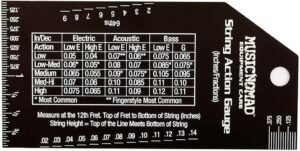
Our MusicNomad MN602 String Action Gauge guide explores another aspect of guitar setup and measurement for players interested in maintaining consistent instrument performance.
Three Millimetres Is a Specialist Thickness
At 3 mm thick, these picks are considerably thicker than many everyday guitar picks.
Some players enjoy substantial picks because they provide a secure surface to hold and encourage precise movements.
Others find the extra thickness awkward, particularly when switching quickly between gentle strumming and aggressive picking.
The GPCA design has a shaped edge, but the overall thickness remains important.
A thick pick may also alter how far the tip extends beyond the fingers.
That can influence picking accuracy and the amount of movement required to cross the strings.
Players accustomed to very thin picks shouldn’t expect an immediate improvement.
It may take several practice sessions to establish whether the shape and thickness suit their playing style.
Durability Has Its Own Trade-Offs
Titanium offers excellent resistance to corrosion and deformation.
Unlike many thin plastic picks, these are unlikely to bend, crack or wear down quickly through ordinary playing.
That makes them appealing to guitarists who dislike frequently replacing worn plectrums.
However, durability isn’t the only characteristic that matters.
A pick that lasts for years is only useful if its playing feel suits the owner.
Metal picks can also collect small scratches or cosmetic marks through handling and contact with other objects.
The gold, blue and silver finishes make the collection visually distinctive, but those finishes shouldn’t be assumed immune to wear.
Avoid storing the picks loose among keys, coins or sharp metal accessories if preserving their appearance matters.
Wrist Straps Are Useful but Unconventional
Each pick includes a small opening for attaching the supplied wrist strap.
This is an unusual feature compared with conventional guitar picks.
The strap can help prevent a dropped pick from disappearing during practice or performance.
It may also appeal to musicians who regularly misplace small accessories.
However, having a tether attached to a guitar pick won’t suit everyone.
Depending on how the strap is positioned, it may brush against the hand or interfere with rapid movements.
Some players may prefer to remove it entirely.
The silicone straps are also separate components that can stretch or wear over time.
GPCA’s lifetime durability promise applies to the titanium pick itself, while the strap has more limited coverage.
It’s worth distinguishing between the long-lasting metal component and its replaceable accessory.
These Picks Won’t Suit Every Technique
Guitar playing involves many different right-hand approaches.
Fast alternate picking, individual-note melodies and controlled picking patterns may benefit from the rigid feel of titanium.
However, that doesn’t make these picks ideal for every style.
Light acoustic strumming often benefits from a pick that bends slightly when crossing the strings.
Some players also rely on flexible picks to soften the attack and reduce unwanted clicking.
The rigid construction can feel less forgiving during these techniques.
Players who frequently switch between picking and fingerstyle may also find the thickness and wrist strap inconvenient.
For guitarists interested in alternative ways of making strings vibrate, our EBow Plus Electronic Guitar Bow feature explores a very different approach to producing sustained notes.
Both products demonstrate how small changes in playing equipment can create noticeably different musical possibilities.
Consider the Practicalities of Live Playing
The GPCA picks are compact, but their rigid metal construction makes them different from inexpensive picks that can be scattered across a stage or rehearsal room.
Dropping one onto a hard floor could create an audible impact and potentially mark a delicate surface.
The wrist straps may reduce the likelihood of losing a pick, although they don’t eliminate every possibility.
Players should also consider whether they can comfortably grip the pick during extended performances.
Sweaty hands, playing posture and personal technique all influence control.
For musicians building an organised live setup, our D’Addario XPND 1 Expandable Pedalboard guide covers another useful piece of equipment for keeping guitar accessories and effects arranged sensibly.
The important point is that practical convenience matters alongside musical character.
Who Should Probably Avoid This Product?
Guitarists who prefer thin, flexible picks for gentle strumming may find titanium unnecessarily rigid.
Players using classical guitars with nylon strings should choose a more suitable pick material, particularly because GPCA advises against using these metal picks on softer strings.
Beginners still experimenting with basic pick thicknesses may benefit from trying conventional options before committing to such a specialised design.
Anyone who dislikes a pronounced metallic picking attack should also consider alternatives.
Musicians expecting three different thicknesses should be aware that this set offers three colours of the same 3 mm design.
Finally, players who tend to lose picks regularly should remember that even durable titanium picks can disappear, despite the included wrist straps.
Who Will Benefit Most?
The GPCA Titanium Guitar Picks 3-Pack is particularly interesting for experienced guitarists who enjoy experimenting with unusual materials and playing techniques.
Players seeking a pronounced attack, firm string contact and a distinctive picking feel may appreciate the design.
The three coloured finishes provide variety in appearance, while the identical thickness makes it possible to keep a consistent playing feel between the picks.
Electric guitarists, bass players and steel-string acoustic musicians who prefer rigid picks are the most natural audience.
The corrosion-resistant construction and substantial feel also make the picks interesting additions to a carefully selected collection of guitar accessories.
For more equipment covering guitar setup, playing comfort and practical accessories, explore our Guitar Gear guides.
The GPCA Titanium Guitar Picks offer a very different experience from traditional plastic plectrums. Their solid construction, distinctive appearance and pronounced response make them an interesting option for guitarists who want to explore how pick material influences playing.
They require a willingness to adapt, and they won’t suit every instrument or technique. But for players who enjoy experimenting with their sound and prefer a rigid picking surface, these titanium picks bring an unusual combination of durability, precision and character.
As an Amazon Associate I earn from qualifying purchases.
Opens Amazon (paid link)