Oasis OH-1 Guitar Humidifier
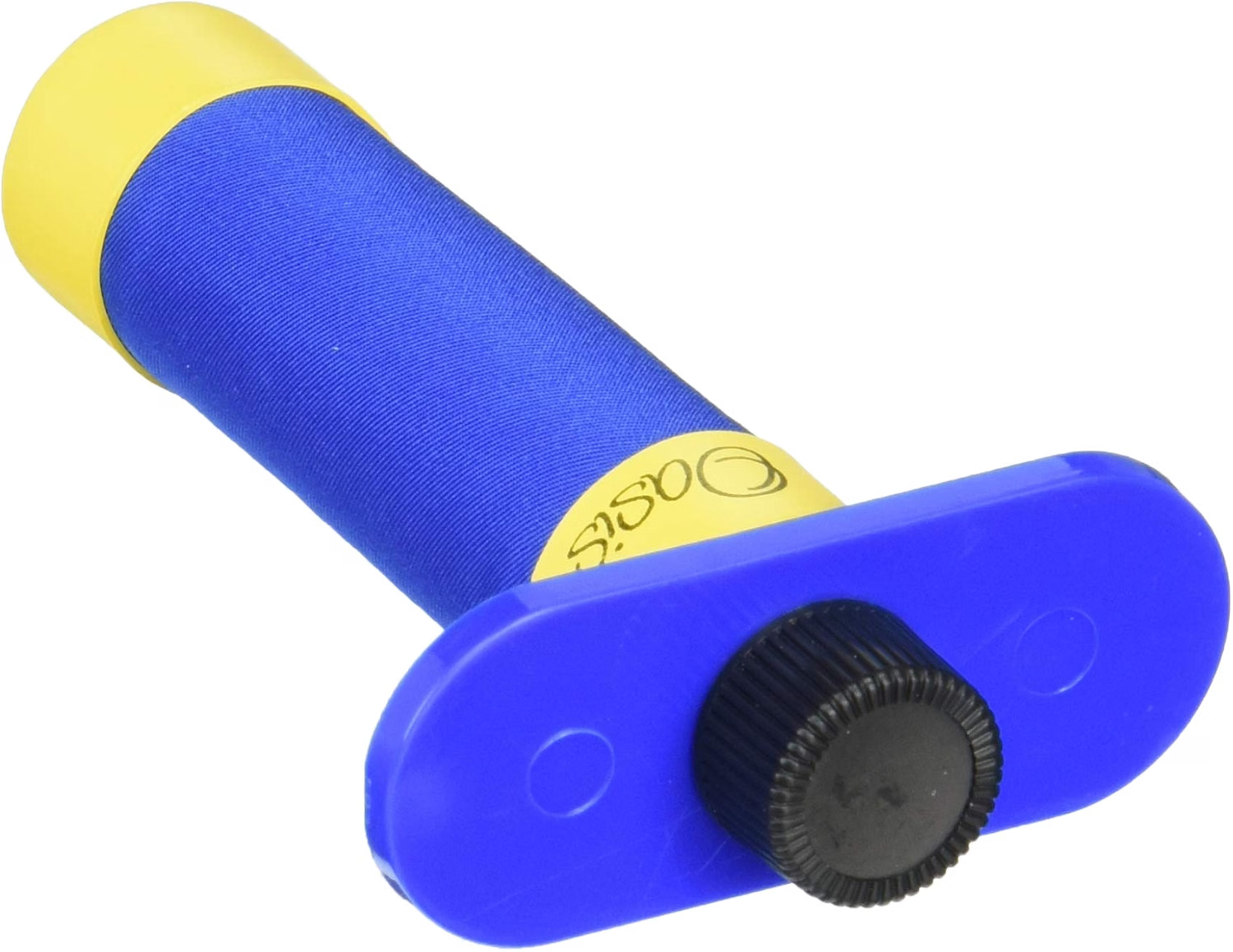
The Oasis OH-1 Guitar Humidifier is a small refillable accessory for an acoustic guitar that spends its time between sessions in a closed case. It hangs from the strings at the soundhole and gradually releases moisture into the body. If the heating comes on in November and the room stays dry until spring, it can give you a way to look after the guitar without trying to change the humidity of the whole house.
The decision starts with a humidity reading. A guitarist who keeps a wooden acoustic in a hard case through a dry winter has a good reason to consider the OH-1. Someone whose guitar lives on a stand, whose room already holds steady humidity, or whose instrument is showing signs of drying out has a different problem to solve. That distinction matters more than the price of the humidifier.
What the Oasis OH-1 does
The OH-1 uses a support bar that rests across the strings while the reservoir hangs below it in the soundhole. Oasis supplies a small syringe for filling the reservoir and recommends distilled water because minerals in tap or bottled water can clog the liner. As the unit gives up moisture, the body shrinks, giving you a visible cue to check whether it needs refilling.
Oasis designed this model to maintain about 45–55% relative humidity inside the guitar body when the air outside the case is at 25–40% and the guitar already has adequate moisture. Those figures describe specific conditions. They give you a way to judge whether the OH-1 makes sense for your room and storage habits. If your guitar’s maker gives you a different humidity range or care routine, follow its guidance for your instrument.
Who would benefit in winter?
Picture a player who takes a solid-top acoustic out after dinner, plays for half an hour and puts it back in the case. When the heat runs for weeks at a time and readings show the room getting dry, the guitar still spends most of the day in an enclosed space. That gives a small humidifier a defined place to work and gives the owner a regular chance to look at it when they pick up the guitar.
It can also suit someone who plays mainly at home and owns one acoustic they particularly want to look after. The OH-1 goes into that guitar’s soundhole, so there’s no need to find floor space for another appliance. If you already have several hard cases and want to make them easier to reach, the String Swing CC29 guitar case rack guide covers the practical side of keeping cases accessible. An easy-to-reach case makes it more likely you’ll use it after playing and remember to check what’s inside.
What the refill routine looks like
Take the humidifier out before you play and put it back when you return the guitar to its case. Check the reservoir as part of that routine, especially when the heating first comes on or a colder spell changes conditions indoors. Keep distilled water and the supplied syringe in a place you’ll remember. Follow the maker’s filling directions and check the outside of the unit before putting it over the soundhole again.
How often you refill depends on how quickly the reservoir dries in your setup. Two players with the same humidifier may keep their guitars in different cases, open them for different lengths of time and see different humidity readings. The way the reservoir changes shape makes it easier to notice when it needs attention. A small hygrometer gives you a separate reading to help decide whether you should be adding moisture in the first place.
It helps to think of the OH-1 as something you check when you finish playing. The Xvive U8 acoustic wireless guide covers another soundhole-area accessory you fit for a particular job. If you use a clip-on microphone for gigs, take off the playing gear and check that the humidifier has a clear, secure fit before the guitar goes back in its case.
Skip it if your guitar lives on a stand
If you keep your acoustic beside the sofa so you can play whenever you have five minutes, that setup might be the reason you play as often as you do. Buying a case humidifier means changing that habit to get the conditions the product was designed for. If you know you’ll still leave the guitar out overnight, you may get more from measuring and managing the room where the guitar actually sits.
The same question applies to a soft gig bag. A bag you leave partly unzipped while you’re at home gives the humidifier a different environment from a hard case that stays shut. Before you buy, consider where the instrument spends long stretches between sessions, how well that space closes, and whether you’d realistically use it every day. A closed case you already use makes this a much easier purchase to justify.
Skip it if your humidity is already steady
Cold weather outside gives you a reason to check indoor humidity. Take readings near the guitar and, if practical, inside the case over several days of normal use. One reading after the heat has been on all evening tells you less than several readings taken as you go about your week. If the readings already stay within the range your guitar maker recommends, you have little reason to add moisture simply because winter has arrived.
The OH-1 releases moisture, so it also has limited value if your storage conditions swing from very dry to damp. If you mainly want to know what happens in the room or case while you’re away, a hygrometer addresses that first question directly. There are more practical maintenance and storage guides in the Guitar Gear category if your readings suggest another part of the setup deserves attention first.
Skip it if you’re trying to fix a playing problem
A new fret buzz, a noticeable change in string height or a visible crack deserves a closer look. Plenty of things can change how an acoustic plays, and a symptom on its own gives you little basis for choosing a humidifier. Oasis makes the OH-1 to maintain a guitar that already has adequate moisture. If you suspect the instrument has dried significantly or see damage, ask a guitar repairer what the instrument needs before spending money on a maintenance accessory.
If the strings suddenly feel closer to the frets, it can be helpful to record an actual measurement so you can describe the change. The MusicNomad MN602 string action gauge guide explains how to measure string height. Write down the measurement and when you first noticed the change. That gives you something concrete to discuss with a repairer before adjusting the setup.
Check the fit and the upkeep
The support bar and reservoir need to sit securely at the soundhole. A conventional acoustic with a round center soundhole is the clearest fit. If you have an offset soundhole, an unusual opening, or a pickup that already occupies some of that space, check the clearance before you order. You’ll be taking the unit out and putting it back repeatedly, so an awkward fit can quickly turn a small job into a nuisance.
The other cost is your attention. You’re agreeing to keep distilled water on hand, check the reservoir, and take it out before playing. That’s a small commitment for one regularly played acoustic. It adds up if you own several instruments in separate cases or often leave them untouched for weeks. Think about how you’ll remember to check each one during the driest part of the year. If that routine already sounds unlikely to stick, the OH-1 may spend more time in a drawer than in a guitar.
Is the Oasis OH-1 right for your guitar?
The strongest case for buying it is simple. You have an acoustic with a compatible soundhole, you normally put it away in a closed case, and your readings show a winter drop in humidity. You’re happy to spend a little time checking and refilling it. Under those conditions, the OH-1 has a clear job and fits neatly into the way you already look after the instrument.
If you keep the guitar out most of the day or still don’t know how dry its storage space gets, measure that space first. If the guitar already plays differently or shows damage, get the instrument checked. You’ll make a better decision once you know whether you’re maintaining a healthy acoustic through winter or dealing with a problem that needs a different approach.
Opens Amazon (paid link)