Get Ultimate Sound: UHF Wireless IEM System
Introduction to UHF Wireless In-Ear Monitor Systems
The UHF wireless in-ear monitor system has transformed the way audio professionals and musicians communicate on stage. Traditionally, performers relied on floor monitors for sound reinforcement, which often led to sound bleed and feedback issues. UHF wireless IEM systems address these shortcomings by delivering a direct audio feed from the mixing console to the performers’ earpieces, ensuring crystal-clear sound without the clutter of stage monitors.
UHF, which stands for Ultra High Frequency, operates within specific frequency ranges that minimize interference, making it ideal for live performances. The system consists of a transmitter that sends audio signals from the sound mixer to the receiver units worn by the musicians. Each performer can receive a tailored mix, allowing them to adjust their monitors according to individual preferences. This level of personalization is invaluable during live shows where timing and nuanced sound fidelity are crucial.
Besides enhancing sound quality, UHF wireless systems significantly enhance mobility. Musicians can freely move around the stage without being tethered to traditional wired monitors, allowing for more dynamic performances. Additionally, the reliability of UHF signals ensures that artists receive uninterrupted audio, which is critical for maintaining performance integrity.
For sound engineers, the introduction of UHF wireless in-ear systems means greater control over the audio environment. They can make real-time adjustments and mix audio signals more effectively, ensuring that all performers are satisfied with their sound experience. This results not only in better performances but also in improved overall production quality. Investing in a UHF wireless in-ear monitor system is increasingly recognized as an essential step for both burgeoning and established artists in the music industry.
Key Features of the UHF IEM System
The UHF wireless in-ear monitor system offers several remarkable features designed to enhance audio performance and user experience. One of the standout characteristics is its remarkable range of up to 260 feet. This extensive coverage allows performers to move freely on stage without being tethered to a traditional monitor setup, enabling a more dynamic performance. Whether in a cramped venue or a large auditorium, the UHF system ensures that the sound remains consistent and reliable, no matter where the user is positioned.
Another significant advantage is the low latency technology incorporated into the UHF wireless in-ear monitor system. Latency can be a critical issue in live sound applications, as any delay can disrupt the synchronization between the audio and visual elements. The UHF IEM system minimizes this delay, providing a near-instantaneous response that helps musicians maintain their timing and musical integrity. This feature is especially beneficial for bands and artists performing in unison, where precision is essential.
Additionally, the UHF wireless in-ear monitor system supports up to 26 channels, allowing multiple performers and audio sources to operate simultaneously without interference. This multi-channel capability is crucial for larger productions, where several performers may require distinct audio feeds. Users can select the appropriate channel that best suits their needs, further customizing their audio experience to ensure the highest sound quality. This flexibility not only enhances the performance but also provides peace of mind for audio engineers managing complex setups.
In summary, the key features of the UHF wireless in-ear monitor system—including its extensive range, low latency, and multi-channel support—significantly contribute to an enhanced audio experience for performers. These attributes not only improve sound quality but also empower artists to deliver their best performances unencumbered by traditional audio limitations.
The Importance of Low Latency in Audio Playback
In the realm of live performances, the quality of sound is paramount, and low latency in audio playback plays a pivotal role in achieving this quality. Latency, essentially the delay between audio input and hearing it through the output, can significantly impact a musician’s performance. When utilizing a UHF wireless in ear monitor system, low latency becomes crucial as it allows performers to receive real-time sound feedback, thus enabling them to synchronize seamlessly with the music and with each other on stage.
Musicians rely heavily on accurate sound reproduction. High latency can lead to performers hearing their own voice or instruments delayed, which can cause a disconnection between performance and sound. This dissonance may result in mistakes, diminished confidence, and an overall drop in performance quality. By utilizing a system with low latency, artists can ensure that they are reacting to the music in real-time, a necessity for genres that require tight timing and coordination, such as rock, jazz, and classical performances.
The UHF wireless in ear monitor system is designed specifically to provide an efficient transmission of audio signals with minimal delay. This technology employs a robust frequency range, allowing for efficient communication and reduced interference, which is particularly beneficial in complex performance environments. Musicians experience greater clarity and immediacy in the sounds they hear, allowing them to execute their skills more effectively. Low latency not only enhances their performance but also ensures that they maintain a personal connection with their audience, fostering a more engaging live experience.
The advantages of employing a UHF wireless in ear monitor system with low latency features thus extend beyond mere technical improvement; they enhance the overall artistic expression and connection that is vital in live performances.
Understanding Dual Volume Control
The dual volume control feature is a pivotal aspect of the UHF wireless in ear monitor system, designed to meet the diverse needs of performers in live settings. It allows individuals to customize their audio experience, adjusting both their overall mix and the levels of specific audio channels independently. This capability is particularly beneficial for musicians, vocalists, and audio engineers who require precise sound management in dynamic environments.
With dual volume control, users can separately manage the levels of their vocal track and the accompanying music or instruments. For example, during a performance, a vocalist may find that the music is overpowering their voice at certain points. This is where the dual volume control becomes indispensable—providing the ability to lower the music without affecting the vocal volume. Such adjustments can ensure that the performer delivers a clear, professional sound, which is critical in both live and studio settings.
Moreover, scenarios where volume control is crucial include live concerts, theatrical productions, and recording sessions. In a concert setup, varying the stage volume can minimize feedback issues and enhance the overall listening experience for the audience. Likewise, in theatrical performances, actors can adjust their cues without leaving the stage, thus maintaining the flow of the show. Utilizing dual volume controls in these situations allows for seamless sound transitions and a higher level of audio fidelity.
In essence, the dual volume control feature in a UHF wireless in ear monitor system is not merely a convenience; it is a vital tool for achieving the best sound quality possible, allowing performers to be in full command of their audio landscape. This feature empowers individuals to tailor their listening experience to their unique preferences and the varying conditions of each performance.
Auto Pairing: Convenience Meets Functionality
The UHF wireless in ear monitor system is designed to streamline the audio experience for performers, and one of its standout features is the auto pairing capability. This function offers a seamless and user-friendly setup, allowing musicians and technicians to establish a reliable wireless connection with minimal effort. By automating the pairing process, users can focus on their performances rather than the technical details of setting up their equipment.
Auto pairing operates through a simple process where the system automatically detects compatible transmitters and receivers, eliminating the need for manual configuration. This is particularly beneficial in live performance settings where time is of the essence. The system’s ability to quickly link devices not only saves valuable setup time but also reduces the margin for error that might occur with manual pairing. As a result, performers can achieve optimal audio quality without the hassle of complicated installations.
Moreover, the advantages of auto pairing extend beyond mere convenience. Users no longer have to worry about interference from other wireless devices or settings that could disrupt their performance. The UHF wireless in ear monitor system intelligently selects the best available channel, ensuring a stable and uninterrupted audio feed. This functionality grants artists peace of mind, allowing them to fully immerse themselves in their performances without being distracted by technical challenges. Ultimately, with auto pairing, the UHF wireless in ear monitor system proves itself as an essential tool for enhancing performance quality, catering to both seasoned professionals and emerging artists alike.
How the Beltpack Transmitter Works
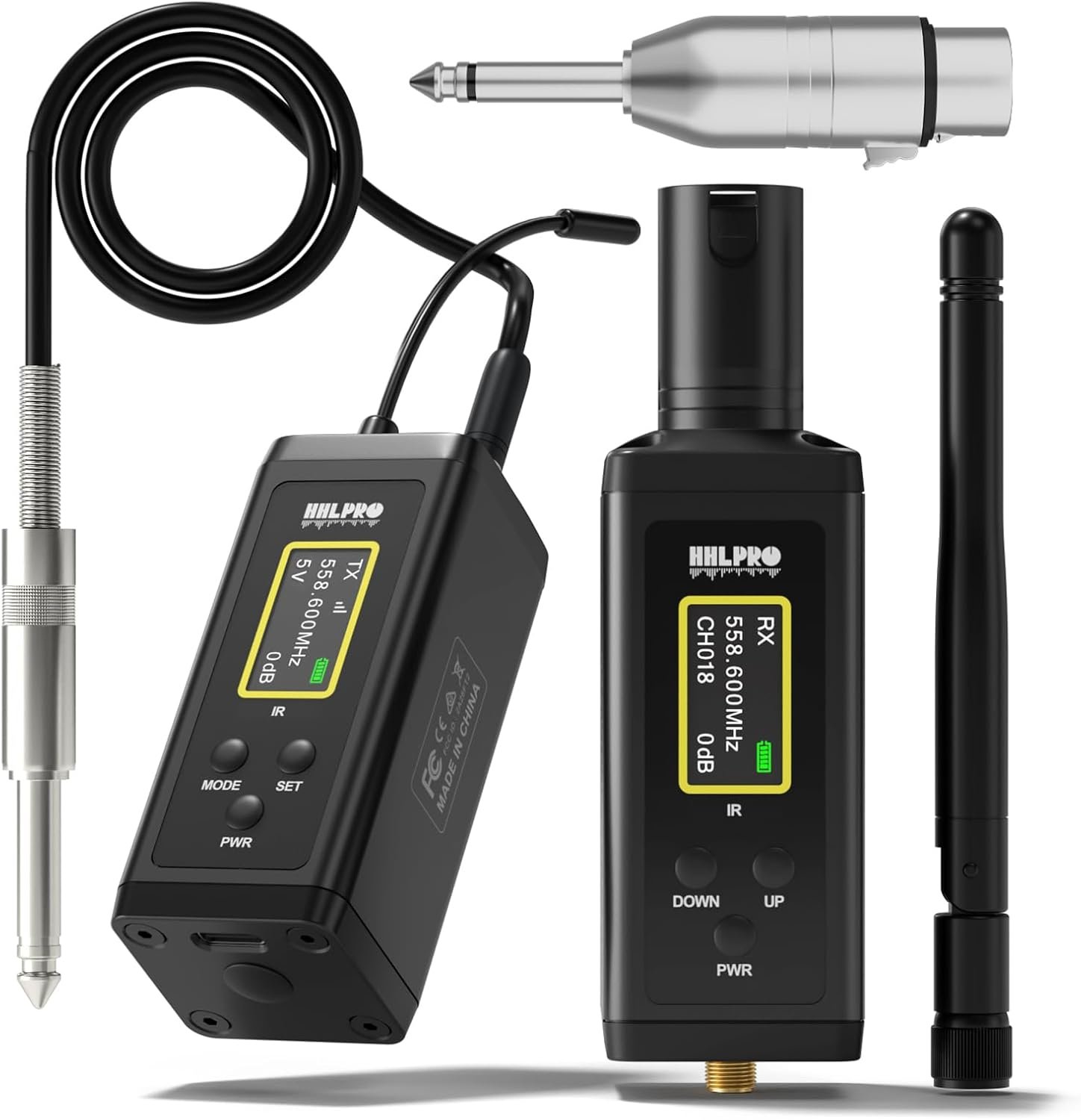
The beltpack transmitter serves a crucial role in the functionality of the UHF wireless in-ear monitor system. This device is designed to facilitate the wireless transmission of audio signals from the sound source, such as a mixing console, to the performers’ in-ear monitors. Essentially, it acts as the bridge, converting the audio input into radio frequency signals that can be transmitted wirelessly, ensuring that musicians receive clear sound without the limitations posed by traditional wired systems.
One of the primary advantages of a beltpack design is its portability. By wearing the transmitter on their belt or in a convenient pocket, performers can maintain freedom of movement during their performances. This mobility is vital, especially for artists who engage in dynamic actions on stage, allowing them to focus on their performance without the hindrance of restrictive cables. Moreover, beltpack transmitters typically feature user-friendly controls for adjustments, enabling performers to manage their audio levels effectively on the go.
Additionally, the beltpack’s design ensures a reliable connection to audio sources via various input options like XLR or line inputs, which accommodate diverse sound setups. The ability to connect to multiple audio devices enhances its versatility, making it compatible with various types of performances, whether they are music concerts, theater productions, or corporate events.
In conclusion, the beltpack transmitter is an integral component of the UHF wireless in-ear monitor system. Its role in connecting to audio sources, providing mobility for performers, and offering ease of use makes it invaluable in achieving an optimal listening experience during live performances.
Real-World Applications of UHF Wireless IEM Systems
The UHF wireless in ear monitor system has gained significant traction across various industries, primarily due to its ability to provide clean, reliable audio without the hindrances of wires. This technology is especially prevalent in the music industry, where artists and musicians rely on it during live performances to hear themselves and other sound elements clearly while controlling their stage presence. With the ability to maintain high audio fidelity, UHF wireless systems allow performers to move freely, enhancing their engagement with the audience.
In the theater and performing arts, UHF wireless IEM systems serve a crucial role by providing actors and musicians with seamless audio feedback. This ensures that performers can hear sound cues, music, and even their lines without needing to rely on audible monitors on stage. Such systems help elevate the overall production quality, contributing to a more immersive experience for the audience. The integration of these systems is particularly vital in elaborate stage setups where multiple performers are involved, as it effectively minimizes sound interference.
Public speaking engagements also utilize UHF wireless in ear monitor systems to improve clarity and communication. Speakers can receive real-time feedback from event coordinators or sound engineers without the need for visible earpieces or external speakers. This discreet setup allows for a more natural delivery and helps maintain audience engagement by minimizing distractions during presentations. Furthermore, these systems prove beneficial in large venues, where traditional monitoring might be ineffective due to distance or ambient noise.
Overall, the applications of UHF wireless IEM systems extend to various professional scenarios, each enhancing the potential for clear communication and performance efficiency. The evolution of this technology continues to reshape how sound is delivered in dynamic and varied environments.
Customer Reviews and Experiences
The UHF wireless in-ear monitor system has garnered a range of customer feedback, showcasing both strengths and weaknesses from diverse users. Many musicians highlighted its impressive audio quality, emphasizing how the UHF wireless technology provided a clear and distortion-free sound. Users often noted that the sound reproduction was accurate across various frequencies, which was particularly appreciated during live performances. For instance, one professional guitarist praised how the system allowed him to hear his bandmates clearly while maintaining optimal sound levels, enhancing the overall performance experience.
Moreover, the flexibility and range of the UHF wireless in-ear monitor system were frequently noted as significant advantages. Several testimonials mentioned that the system maintained a strong signal, even at considerable distances from the transmitter. A vocalist commented on how this reliability during outdoor concerts significantly improved her ability to engage with the audience without sacrificing sound quality.
However, not all feedback was overwhelmingly positive. Some users expressed concerns regarding the initial setup process, indicating that the manual was not as user-friendly as expected. This made it challenging for some to optimize the system’s settings. Additionally, a handful of reviewers reported occasional connectivity issues, particularly when there were multiple wireless devices operating in close proximity. Consequently, they experienced interference, which detracted from their overall satisfaction with the UHF wireless in-ear monitor system.
In light of these mixed reviews, potential buyers are encouraged to consider both the glowing testimonials about sound quality and flexibility alongside cautionary notes regarding setup and connectivity. Gathering insights from the experiences of other users can significantly aid in making an informed purchase decision.
Conclusion: Why You Should Invest in a UHF IEM System
Investing in a UHF wireless in-ear monitor system can significantly enhance the sound experience for musicians, audio engineers, and performers. The advantages of utilizing this technology extend beyond just convenience and comfort; they pave the way for superior audio quality and flexibility during live performances or studio recordings.
One of the key benefits of a UHF wireless in-ear monitor system is its ability to deliver exceptional sound clarity and consistency. Unlike traditional monitor speakers, which can be subject to feedback or room acoustics, wireless in-ear monitors ensure that the audio feeds directly into the musician’s ears, free from ambient noise. This direct audio pathway allows performers to focus on their music without distractions, which can be critical in high-pressure situations such as live concerts.
Moreover, the portability and mobility that a UHF wireless system offers cannot be overlooked. Performers are not tethered by cables which allows for greater freedom of movement on stage. This flexibility is vital for both the artist’s stage presence and performance effectiveness. Additionally, UHF bands offer reliable signal transmission, reducing the likelihood of dropouts or interference commonly associated with other wireless systems.
Furthermore, UHF wireless in-ear monitor systems are customizable. Many models come with features that allow musicians to adjust their audio settings in real-time. This adaptability means that performers can tailor their listening experience to their unique needs, which is crucial when working with diverse environments and varying production setups.
In conclusion, embracing this advanced technology not only enhances sound quality but also empowers artists with greater control and flexibility during their performances. Therefore, investing in a UHF wireless in-ear monitor system represents not just an upgrade in equipment, but a transformative shift in how audio is experienced and performed.
Check It Out!