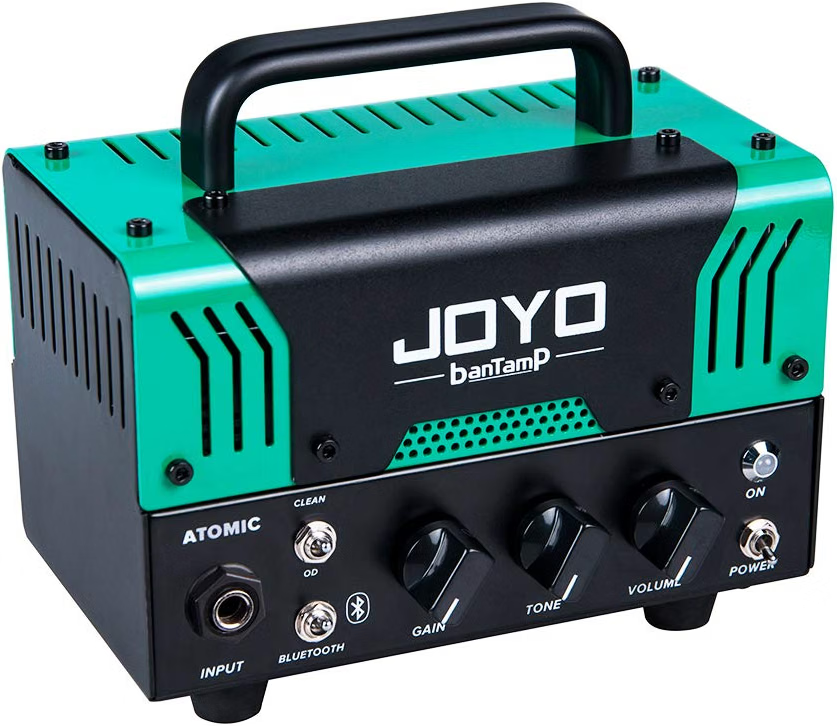
JOYO Atomic 20W Guitar Amp Head
As an Amazon Associate I earn from qualifying purchases.
The JOYO Atomic is a compact 20-watt guitar amp head with a 12AX7 tube in the preamp, a solid-state power stage, and a switch for clean or overdrive. It’s a way to give a speaker cabinet you already own a different sound without buying another combo. The small head is only part of that setup, though. Before buying, check the cabinet you’ll use, how often you switch sounds mid-song, and whether you mostly play through a speaker or headphones.
What You Should Know Before Buying
Check your cabinet before choosing the head
The Atomic has no built-in speaker. If you want to hear it out loud, you’ll need a separate guitar speaker cabinet and a speaker cable. JOYO’s specification lists an 8-ohm speaker load. The retailer listing also mentions 16-ohm cabinets, so check the marking on the unit and the instructions supplied with it before connecting anything other than the 8-ohm load JOYO specifies. If you already own a cabinet with more than one input or a mono/stereo switch, check the rating for the input and mode you’ll actually use.
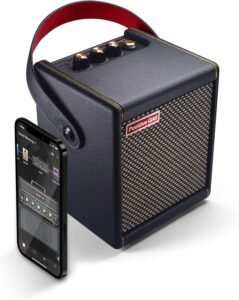
The cabinet is also what takes up most of the room. A small head can sit neatly on a shelf between sessions, but the speaker cabinet still needs a place to stand while you play. If you’re starting without a cabinet and want one box you can plug into and play, the Orange Crush 12 shows how a small combo fits that job. If you already have a cabinet you like, the Atomic lets you keep using it.
Clean and overdrive share the same three knobs
The front panel gives you gain, tone, and volume, plus a small switch to select clean or overdrive. It’s quick to use when you sit down knowing what sound you want. The limitation comes when you try to set up two sounds that differ in more than gain. If you like a bright clean sound and a darker drive sound, for example, you’ll need to find a shared tone setting or adjust the knob when you switch.
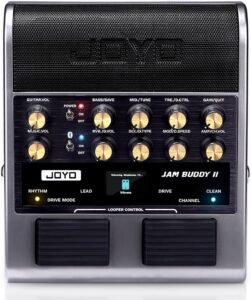
The channel switch is on the head itself. If you need to go from a clean verse to a driven chorus while both hands are busy, consider how you’ll make that change. One option is to leave the head clean and use an overdrive pedal you can step on. If you want to switch between two amp sounds with separate volume and tone settings at your feet, a head built around footswitchable channels will fit that routine better.
Twenty watts only tells you part of the story
How loud the Atomic gets in a room depends in part on the cabinet and speakers you connect. A more efficient speaker can play louder with the same amp power. What matters at rehearsal is whether your clean parts stay clear at the level you need beside the drummer, especially if you want the sound to stay clean when you dig in. The wattage alone can’t settle that question.
The 12AX7 is in the preamp. If what you’re looking for is the response of an amp with power tubes pushed hard, this hybrid design serves a different purpose. Its appeal is getting a tube preamp and a straightforward pair of sounds into a small head. If most of your playing happens at a desk and you like changing amp sounds and effects frequently, the Yamaha THR30II Wireless illustrates what a desktop modeling amp handles in one unit.
Bluetooth plays backing tracks into the amp
You can use Bluetooth to bring in a backing track from a phone. Your guitar still plugs into the front input, and the headphone output is a wired 3.5 mm jack with cabinet simulation. If you planned to use wireless headphones or send the sound of the amp to a Bluetooth speaker, the Bluetooth feature here doesn’t serve those purposes. It helps when you want to play along with a song and keep your phone within reach for track controls.
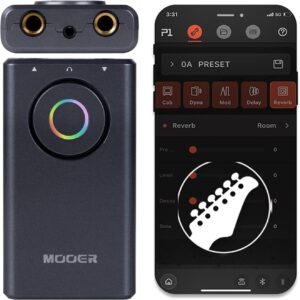
The wired headphone jack is useful when the room needs to stay quiet. If almost every session happens through headphones and you want something you can take from room to room with just the guitar, the BOSS Katana:GO is built around that more portable routine. The Atomic is easier to justify when you also want to use a real cabinet regularly.
Who Should Probably Avoid This Product?
If this is your first amp and you want a complete speaker setup in one box, account for the cabinet and cable before deciding. The same goes if you have a cabinet already but can’t confirm its wiring or load. And if your live set depends on fast channel changes with independent settings for clean and drive, the Atomic’s shared controls and front-panel switch will ask for more compromises than many players want to make on stage.
Who Will Benefit Most?
The Atomic fits a guitarist who already has a suitable cabinet and wants a compact head for clean rhythm, crunchy chords, and driven lead parts. It also makes sense if you tend to pick one amp sound and shape it with pedals. The effects loop gives you a place to put delay or reverb after the preamp, which is worth having if you use the amp’s overdrive and want those effects to come after it in the signal chain.
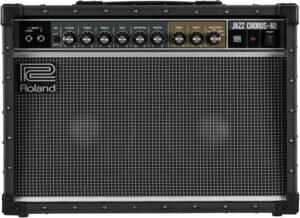
If you’re deciding between a separate head and a combo, the SwapStrings Amplifiers guides let you compare how each type fits home practice, rehearsal, and quieter playing. Start with the places you actually plug in and the gear you already carry there.
Picture your next practice session. If there’s a compatible cabinet waiting, you’ve got room for it, and three knobs are enough to get the sound you want, the Atomic gives that cabinet a useful second voice. Its strongest fit is a setup where you can plug in, pick clean or overdrive, and get straight to playing.
As an Amazon Associate I earn from qualifying purchases.
Opens Amazon (paid link)