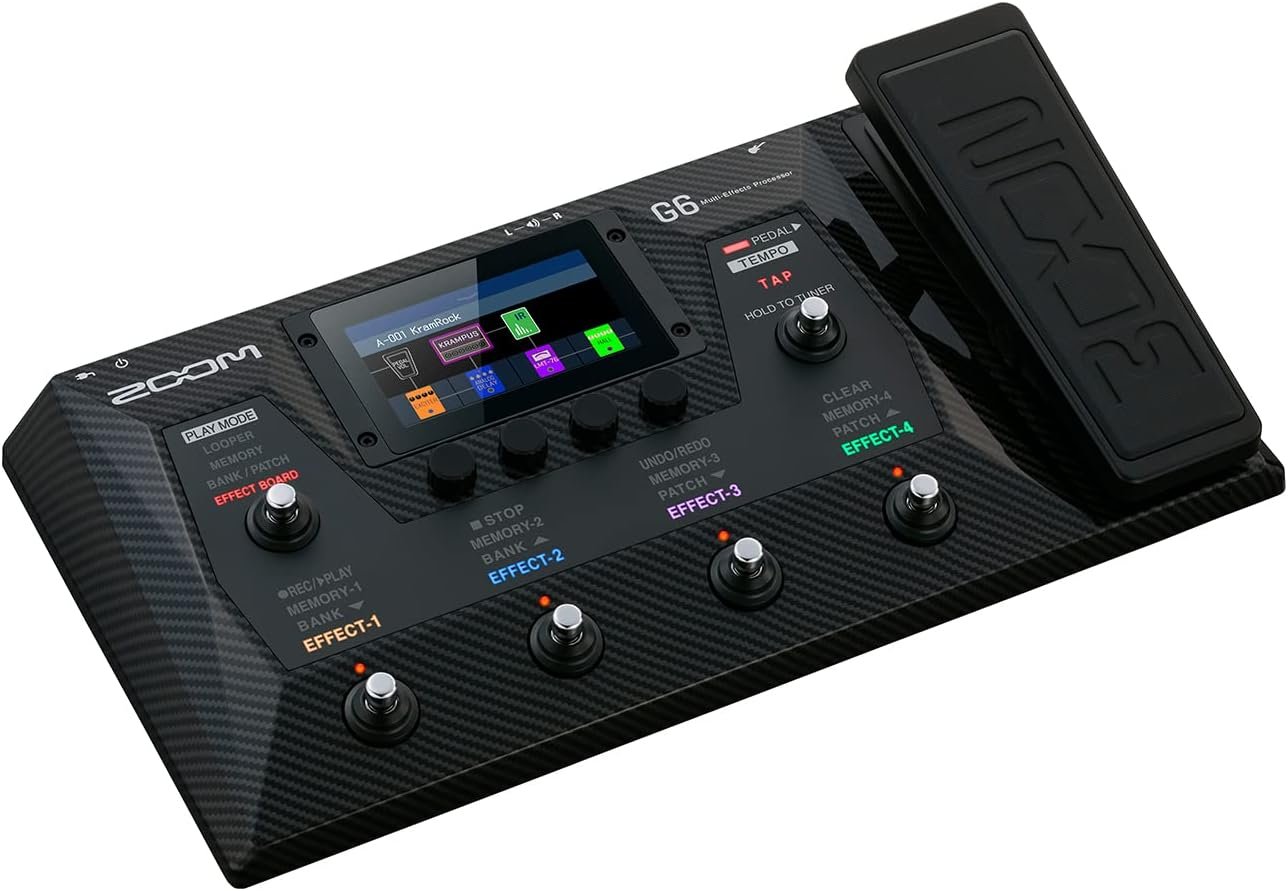
Why The Best Musical Ideas Rarely Arrive On Schedule
As an Amazon Associate, I earn from qualifying purchases.
Most guitarists have experienced it.
You’re not actively trying to write a song.
You’re not sitting down with a specific creative goal.
You’re simply playing.
Then suddenly something happens.
A riff appears.
A chord progression feels different.
A melody emerges almost by accident.
For a few moments, everything clicks.
The idea feels exciting.
Memorable.
Worth exploring.
Then, just as quickly, it disappears.
You tell yourself you’ll remember it later.
By tomorrow, it’s gone.
This is one of the most common frustrations musicians face.
Not a lack of ideas.
A lack of ways to capture them while inspiration is still fresh.
Creativity Doesn’t Follow A Routine
Practice can be scheduled.
Rehearsals can be planned.
Lessons can be organised.
Creativity is far less predictable.
Some of the strongest musical ideas appear during ordinary moments.
A quiet evening after work.
A relaxed Sunday afternoon.
A quick practice session before dinner.
The challenge is that inspiration rarely waits for the perfect setup.
If capturing an idea feels complicated, many players simply keep playing and hope they remember what they just created.
Unfortunately, memory isn’t always reliable.
That is why many musicians gradually build workflows that allow ideas to move quickly from imagination into reality.
The Difference Between Inspiration And Development
Finding an idea is only the first step.
Developing it is where the real creative journey begins.
A short riff can become a verse.
A chord progression can become a complete arrangement.
A melody can evolve into an entire song.
But these things can only happen if the original idea survives long enough to be explored.
Many players discover that recording rough sketches dramatically changes their creative process.
The pressure to remember everything disappears.
Instead of worrying about losing ideas, they can focus on developing them.
That freedom often leads to better creativity.
Why Home Recording Has Changed Guitar Playing
Years ago, recording music often felt like a separate activity.
Playing happened in one place.
Recording happened somewhere else.
Today, those worlds frequently overlap.
Many guitarists create, practise, experiment, and record in the same room.
The modern home musician often moves naturally between these activities.
A practice session becomes a recording session.
A recording session becomes a songwriting session.
A songwriting session becomes a creative experiment.
The boundaries have become much less rigid.
And for many musicians, that flexibility is incredibly valuable.
Small Ideas Often Become Big Projects
Don’t Underestimate Simple Musical Sketches
One thing experienced songwriters often learn is that great songs rarely appear fully formed.
They grow.
A simple musical sketch recorded today may become something much larger later.
What seems insignificant in the moment can reveal unexpected potential weeks or months down the line.
This is why capturing ideas matters.
Not because every idea is brilliant.
But because some ideas deserve a chance to develop.
The challenge is knowing which ones.
Recording them allows that decision to happen later rather than immediately.
The Role Of Experimentation
Creativity thrives when experimentation feels easy.
Many guitarists create their best work when they stop trying to create.
Instead, they start exploring.
Trying unusual sounds.
Combining unexpected textures.
Building layers.
Testing ideas.
Following curiosity.
These moments rarely feel productive while they are happening.
Yet they often lead to the most interesting outcomes.
The ability to explore without interrupting the creative flow can make a significant difference.
When ideas move naturally from experimentation into recording, momentum remains intact.
Why Different Sounds Spark Different Ideas
Sound influences creativity more than many musicians realise.
A guitarist using a clean tone may write completely different music than they would using a heavily processed ambient sound.
A rhythm-focused setup might inspire strong grooves.
A spacious atmospheric tone could encourage cinematic melodies.
The notes available remain unchanged.
The emotional response changes dramatically.
This is one reason many songwriters enjoy exploring a wide variety of sounds.
Each one presents a new creative lens.
The guitar begins to suggest ideas rather than simply respond to them.
Creating Without Judging
Let Ideas Exist First
One obstacle that stops many musicians from creating is self-criticism.
Ideas are judged too early.
Riffs are dismissed too quickly.
Experiments are abandoned before they have time to evolve.
Successful creative habits often work differently.
Instead of evaluating ideas immediately, musicians allow them to exist first.
They capture them.
Save them.
Revisit them later.
This approach creates space for creativity to develop naturally.
Many ideas that seem ordinary at first reveal hidden strengths when viewed with fresh ears.
Making Creativity Part Of Daily Playing
For some musicians, creativity feels like a separate activity.
For others, it becomes part of everyday playing.
The second approach often proves more sustainable.
Rather than waiting for inspiration, players create opportunities for inspiration to appear.
A few minutes of experimentation.
A new sound.
A short loop.
An improvised melody.
These small creative moments gradually become habits.
Over time, the guitar transforms from a learning tool into a creative outlet.
That shift often increases enjoyment significantly.
Why Looping Encourages Better Ideas
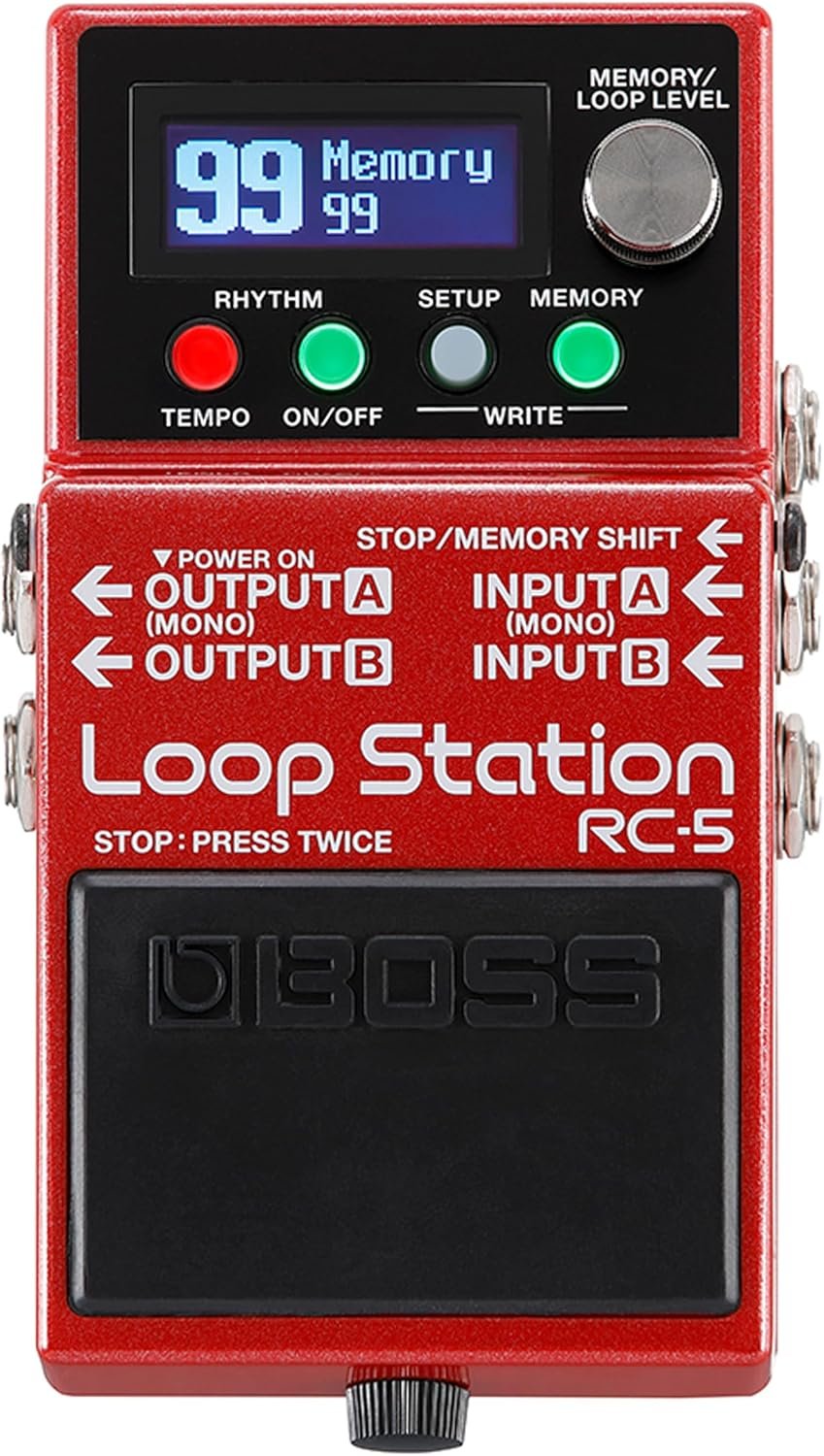
Looping creates an interesting environment for creativity.
Instead of playing isolated phrases, musicians begin interacting with their own ideas.
A chord progression becomes a foundation.
Melodies appear naturally.
Textures start layering together.
Musical conversations develop.
For solo guitarists, this process can feel surprisingly inspiring.
The guitar becomes more than a single instrument.
It becomes a miniature creative workspace.
Many players discover that looping encourages longer and more focused creative sessions simply because the possibilities continue expanding.
The Home Musician’s Advantage
Creativity Without Pressure
One advantage of home music creation is freedom.
There are no deadlines.
No audiences.
No expectations.
Musicians can explore ideas purely for personal satisfaction.
This relaxed environment often leads to better creativity.
Players take risks.
Try unusual approaches.
Follow unexpected directions.
Without pressure, experimentation feels natural.
And natural experimentation often produces the most authentic musical ideas.
Turning Spare Moments Into Creative Opportunities
Not every musician has hours available every day.
Many creative breakthroughs happen during short sessions.
Fifteen minutes before work.
Half an hour after dinner.
A quick session before bed.
The ability to capture and revisit ideas makes these small windows far more productive.
Instead of starting from scratch every time, players can continue developing existing ideas whenever inspiration returns.
This creates continuity.
And continuity often leads to stronger creative results.
FAQ
Do I need recording experience to capture guitar ideas?
No. Many musicians simply record rough sketches and musical notes for personal use and future development.
Can recording ideas improve songwriting?
Many players find that recording helps preserve inspiration and makes it easier to build ideas into larger musical projects.
Why do good ideas often disappear?
Creative ideas can be fleeting. Capturing them quickly reduces the risk of forgetting important musical moments.
Is looping useful for creativity?
Yes. Looping often encourages experimentation, layering, improvisation, and songwriting development.
Do I need a professional studio to record ideas?
Not at all. Many musicians create and capture ideas entirely from home.
Is this only useful for songwriters?
No. Hobby players, improvisers, and creative musicians of all kinds can benefit from preserving ideas and exploring them later.
A Practical Companion For Musicians
The most valuable musical ideas often arrive unexpectedly.
They appear during ordinary practice sessions, quiet evenings, and moments of casual experimentation.
The challenge is not finding those ideas.
The challenge is giving them room to grow.
A flexible creative setup helps bridge the gap between inspiration and action.
Instead of letting ideas disappear, players can capture them, explore them, and revisit them whenever creativity returns.
For guitarists who enjoy songwriting, improvisation, home recording, or simply following musical curiosity, that ability becomes increasingly valuable over time.
Because sometimes the difference between a forgotten riff and a memorable song is simply having a way to keep the idea alive.