Building Confidence for Live Performance Starts at Home
As an Amazon Associate, we may earn from qualifying purchases. This comes at no extra cost to you and helps support our website.
Great Performances Are Usually Built Long Before the First Note
Most people only see the final result.
The audience hears the finished song.
They see the band on stage.
They experience the performance itself.
What they do not see are the countless hours that came beforehand.
The repeated practice sessions.
The careful preparation.
The gradual development of confidence that allows musicians to perform comfortably when the moment arrives.
For guitarists, confidence rarely appears overnight. It grows through familiarity, repetition and preparation.
A productive practice environment plays a major role in that process, helping transform uncertainty into confidence one session at a time.
Why Confidence Matters More Than Perfection
Many musicians spend years chasing perfection.
While high standards can be helpful, confidence is often far more valuable.
A confident player can recover from mistakes.
A confident player stays focused under pressure.
A confident player enjoys the experience rather than worrying about every small detail.
Confidence comes from knowing you have prepared properly.
It comes from spending enough time with your instrument that playing begins to feel natural rather than stressful.
That preparation usually happens at home, long before any rehearsal or performance.
Turning Practice into Performance Preparation
Not every practice session needs to focus exclusively on technique.
Some sessions can be approached as preparation for future performances.
Playing through complete songs.
Practising transitions between sections.
Working on timing and consistency.
Exploring tones that suit particular pieces of music.
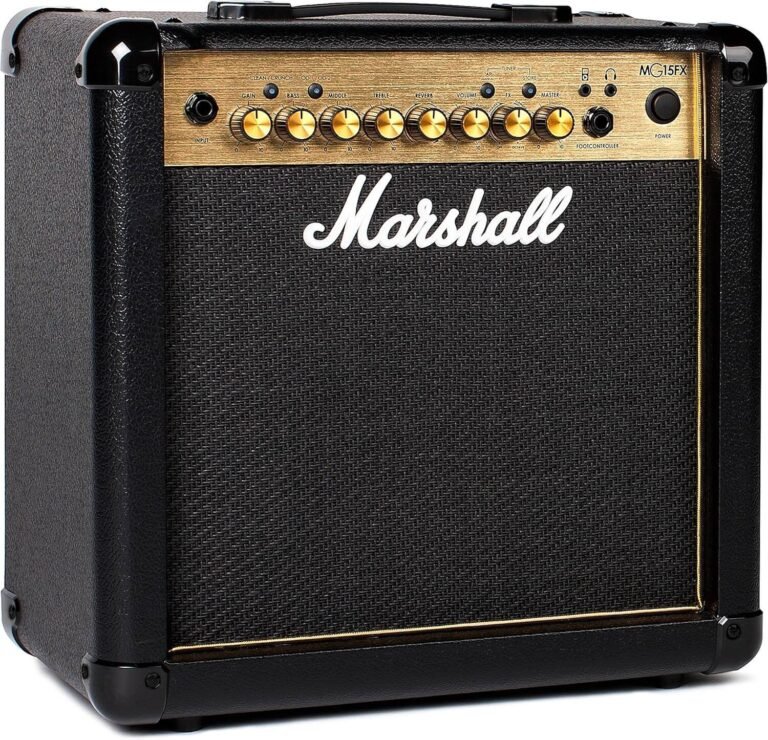
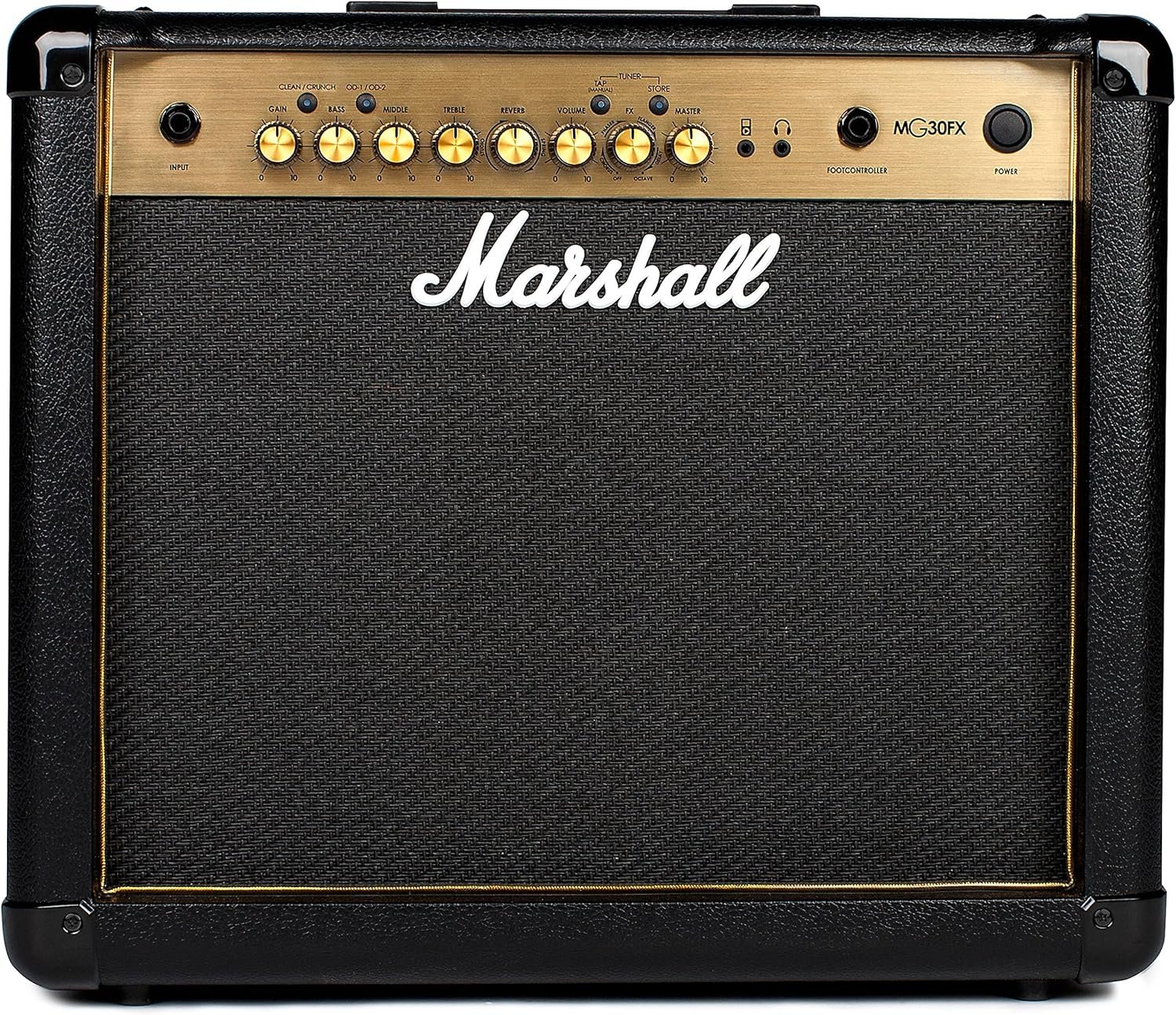
The Marshall MG30GFX Black & Gold supports this approach through its combination of multiple channels and built-in effects, allowing players to rehearse different musical situations within a single setup.
This flexibility can help create practice sessions that feel more connected to real-world performance scenarios.
Thinking Beyond Individual Exercises
Exercises are important.
Scales matter.
Technique drills have value.
Yet many guitarists benefit from occasionally stepping back and practising complete musical performances rather than isolated skills.
This helps develop the confidence required when playing in front of others.
Learning to Trust Your Playing
One of the biggest challenges musicians face is learning to trust themselves.
Doubt often appears when players are unfamiliar with material or uncertain about their sound.
Regular practice helps remove that uncertainty.
Each repetition strengthens familiarity.
Each session reinforces muscle memory.
Each successful run-through builds confidence.
Over time, songs become more comfortable and performances feel less intimidating.
The process is gradual, but the results are significant.
Preparing Different Sounds for Different Songs
Modern guitarists often move between a variety of styles and musical moods.
A single setlist may include clean passages, driven rhythms and expressive lead sections.
Being comfortable with these transitions is an important part of performance preparation.
The MG30GFX offers four channels that allow players to explore a range of tonal approaches.
Preparing these sounds at home helps reduce uncertainty later.
Instead of worrying about tone during rehearsals or performances, players can focus on the music itself.
Familiarity Reduces Pressure
The more familiar something feels, the less intimidating it becomes.
Knowing how your setup responds helps remove distractions and allows greater focus on playing.
This often leads to a calmer and more confident mindset.
Developing Consistency Through Repetition
Consistency is one of the qualities audiences notice most.
They may not analyse every note, but they recognise when a performance feels solid and reliable.
Consistency develops through repetition.
Practising songs repeatedly helps strengthen timing, technique and familiarity.
The key is maintaining enough variety to keep those repetitions interesting.
Built-in effects such as reverb, chorus, phaser, flanger, delay and octave can help refresh practice sessions while still allowing players to work on the same material.
The result is a routine that remains engaging without sacrificing progress.
Simulating Real Musical Situations
One useful approach to performance preparation is creating practice sessions that resemble actual playing situations.
Instead of stopping every time a mistake occurs, players can work through entire songs from start to finish.
This encourages concentration and resilience.
It also helps musicians develop the habit of continuing forward even when things are not perfect.
The auxiliary input can support this process by allowing practice alongside backing tracks or recordings, creating a more immersive and realistic environment.
Learning to Keep Going
Mistakes happen.
They happen during practice.
They happen during rehearsals.
They happen during performances.
One of the most valuable skills musicians develop is the ability to keep moving forward without losing focus.
That skill improves with experience and repetition.
Preparing for Rehearsals More Effectively
Confidence does not only matter on stage.
It also matters in rehearsal rooms.
Musicians who arrive prepared often contribute more effectively to group sessions.
They spend less time remembering parts and more time refining arrangements.
They communicate ideas more clearly.
They adapt more easily when changes occur.
A consistent home practice routine supports this kind of preparation.
The better prepared each individual musician is, the more productive rehearsals become for everyone involved.
Finding Comfort in Familiar Sounds
Many guitarists develop confidence through familiarity with their sound.
Certain tones feel comfortable.
Certain settings encourage particular playing styles.
Spending time exploring channels and effects helps players understand what works best for them.
This understanding becomes valuable whenever they perform, rehearse or play with others.
Rather than constantly second-guessing equipment choices, they can focus on musical expression.
Building Long-Term Musical Confidence
Confidence is not limited to individual performances.
It becomes part of a broader musical identity.
Players who practise regularly and explore their instrument consistently often become more willing to try new things.
They join bands.
They attend jam sessions.
They perform at open mic nights.
They tackle more challenging material.
These opportunities become easier to embrace because confidence has been built gradually through preparation.
Small Improvements Create Big Results
Confidence rarely arrives through a single breakthrough moment.
More often, it develops through hundreds of small improvements accumulated over time.
Every productive practice session contributes to that growth.
Supporting the Journey from Practice Room to Performance
The Marshall MG30GFX Black & Gold fits naturally into the process of developing performance confidence. Its combination of versatile channels, built-in effects, auxiliary connectivity and headphone capability supports the many different ways guitarists prepare for musical situations.
Whether working through setlists, refining techniques, exploring tones or simply maintaining a regular playing routine, it provides tools that help make practice more engaging and productive.
The path to confident performance rarely begins on stage. It begins during quiet practice sessions at home, where musicians build familiarity, consistency and trust in their abilities. Over time, those sessions become the foundation for more enjoyable rehearsals, stronger performances and a deeper connection with music itself.
Check It Out!