Why The Best Guitars Often Reveal Themselves Slowly
As an Amazon Associate, I earn from qualifying purchases.
It’s easy to be impressed by a guitar during the first few minutes.
The finish catches your eye.
The hardware feels solid.
A few familiar riffs sound good.
But the true character of an instrument usually takes longer to discover.
The guitars that stay with players for years rarely earn that loyalty on day one alone.
Instead, they reveal themselves gradually.
A month later, you’re still finding new sounds.
Six months later, you’re still looking forward to picking it up.
A year later, it remains the guitar you reach for without thinking.
Those are often the instruments that become part of a musician’s identity.
When A Guitar Encourages More Playing
Most guitarists already know what they should be doing.
Practising regularly.
Learning new material.
Improving technique.
The challenge is not knowledge.
The challenge is consistency.
A guitar that genuinely feels enjoyable to play can quietly solve part of that problem.
Instead of reminding yourself to practise, you simply find yourself playing more often.
Many players find that the most productive practice routines grow naturally from enjoyment rather than discipline.
Building A Habit Around Music
Think about how habits form.
The activities we repeat most often are usually the ones we enjoy.
Guitar is no different.
When an instrument feels inviting, it naturally becomes part of daily life.
A quick session before work.
A few songs after dinner.
An hour of uninterrupted creativity on a Sunday afternoon.
Over time, those moments become meaningful progress.
The Appeal Of A Guitar That Adapts
Musicians change.
The songs you enjoy today may not be the songs you enjoy next year.
Your technique develops.
Your influences evolve.
Your goals become more ambitious.
This is why adaptability matters.
A versatile electric guitar allows players to move freely between different musical interests without feeling restricted.
One week you may be exploring expressive clean tones.
The next, experimenting with more aggressive sounds.
The guitar remains a willing partner throughout the process.
Musical Curiosity Is Worth Protecting
One thing people often notice is how easy it can be to fall into familiar routines.
Playing the same songs.
Using the same sounds.
Repeating the same exercises.
A flexible instrument helps break those patterns.
It encourages experimentation.
And experimentation often leads to growth.
Designed For The Long Term
Many players focus heavily on what a guitar offers today.
Experienced musicians often think differently.
They ask whether the instrument will still feel rewarding years from now.
Long-term satisfaction usually comes from a combination of factors.
Comfort.
Reliability.
Responsiveness.
Versatility.
None of these qualities are especially glamorous on their own.
Together, however, they create an experience that remains enjoyable over time.
Why Comfortable Guitars Stay In Rotation
Some instruments look fantastic but rarely leave their case.
Others become trusted companions.
Comfort often plays a larger role in that distinction than people realise.
A neck that feels natural.
Smooth movement across the fretboard.
An overall playing experience that encourages longer sessions.
These qualities often determine whether a guitar becomes part of your routine.
Left-Handed Players Often Value Quality Differently
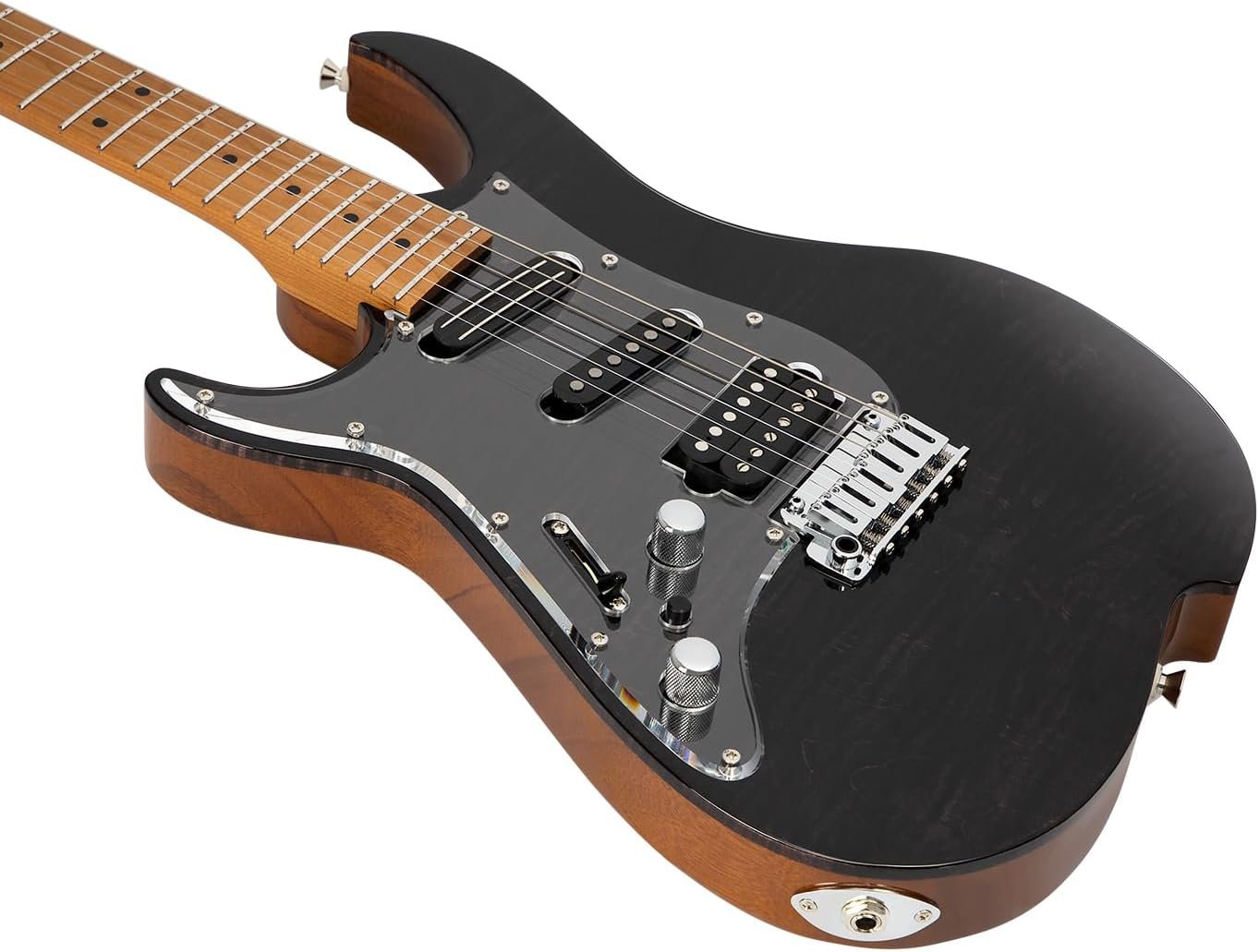
For left-handed guitarists, finding the right instrument can involve more patience.
Options are not always as plentiful.
As a result, many left-handed players become highly selective.
They want a guitar that offers genuine long-term value rather than temporary excitement.
When an instrument combines thoughtful craftsmanship with practical versatility, it tends to stand out.
Not because it demands attention.
Because it earns it.
A Guitar That Supports Growth
As skills improve, expectations usually change.
Players begin hearing subtler differences.
Technique becomes more refined.
Creative ambitions grow.
An instrument that supports this progression remains satisfying far longer than one that quickly reaches its limits.
Bringing More Enjoyment To Practice
Practice isn’t always exciting.
Every guitarist experiences periods where motivation dips.
The key is making it easier to begin.
Many musicians find that a comfortable, inspiring guitar removes some of the resistance that keeps them from playing.
Once the guitar is in your hands, momentum takes over.
A ten-minute session becomes thirty.
A simple exercise becomes a creative idea.
Those moments often produce the most rewarding progress.
A Modern Guitar For Modern Musicians
The modern guitarist often wears many hats.
Player.
Songwriter.
Recorder.
Creator.
Teacher.
Hobbyist.
Sometimes all at once.
An instrument that adapts to these different roles fits naturally into contemporary musical life.
Whether you’re recording ideas at home, learning new techniques, or simply unwinding after a long day, flexibility becomes increasingly valuable.
Home Creativity Has Never Been More Important
Many musicians now create more music at home than anywhere else.
Home studios continue to evolve.
Recording tools are more accessible.
Ideas can be captured instantly.
This environment rewards instruments that inspire creativity without adding unnecessary complexity.
The easier it is to create, the more often creativity happens.
Discovering New Sounds Years Later
Some instruments reveal everything immediately.
Others continue to surprise you.
Many experienced players prefer the latter.
A guitar that offers multiple tonal pathways often remains interesting long after the novelty wears off.
You may discover a favourite sound months after purchase.
You may revisit a setting you ignored and suddenly find new inspiration.
That sense of discovery keeps the relationship fresh.
And that freshness often encourages more playing.
Frequently Asked Questions
Is this suitable for serious hobby players?
Yes. Players who practise regularly and enjoy exploring different sounds often appreciate guitars designed with versatility in mind.
Can it work for home recording?
Many musicians use adaptable electric guitars for recording projects, songwriting sessions, and creative home studio work.
Does comfort really affect progress?
Comfort can influence how often you play, how long you practise, and how enjoyable the overall experience becomes.
Is it suitable for different musical genres?
Versatile electric guitars are often chosen specifically because they allow players to move between styles with ease.
Will it remain useful as my skills improve?
Many musicians value instruments that continue offering new possibilities as their playing develops.
Is it appropriate for returning players?
Absolutely. Returning players often appreciate guitars that make regular practice feel more natural and enjoyable.
Where This Fits Into Everyday Playing
Not every guitar is designed to make a dramatic first impression.
Some are built to become trusted companions over time.
For left-handed players who enjoy exploring sounds, refining technique, recording ideas, and spending meaningful time with music, this approach often proves surprisingly rewarding.
It fits naturally into evening practice sessions, weekend songwriting projects, home recording setups, and those spontaneous moments when inspiration arrives unexpectedly.
Many players find that the guitars they keep the longest are not necessarily the loudest or flashiest.
They’re the ones that continue revealing new possibilities every time they’re picked up.
And that’s a quality that never really goes out of style.